


By Peter A. McCullough, MD, MPH
With the effective closure of the Strait of Hormuz, I wondered how much the medical field could be impacted. Alter AI assisted with this inquiry.
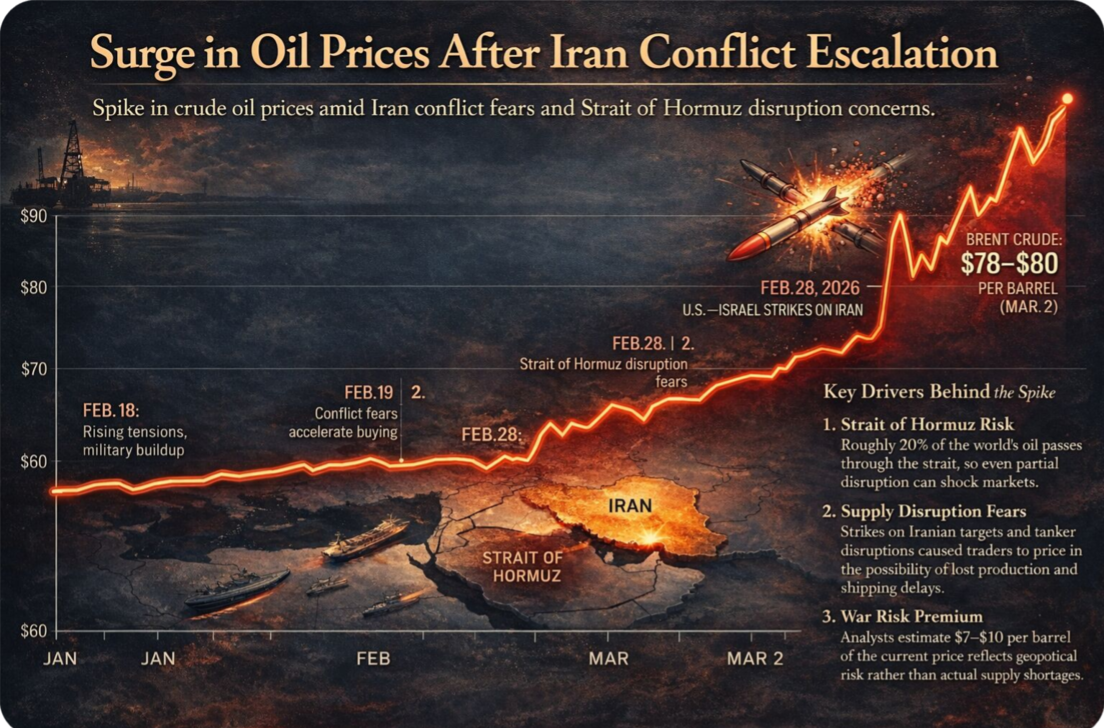
The closure of the Strait of Hormuz in early 2026 has exposed the fragility of global health supply chains by highlighting how deeply key pharmaceutical and medical manufacturing inputs depend on this narrow maritime corridor. The Strait handles about 20% of global petroleum and liquefied natural gas flows, which serve as the chemical and energy backbone for pharmaceutical and medical supply manufacturing worldwide. Crude-derived intermediates such as naphtha, methanol, and other petrochemical feedstocks are refined into solvents, reagents, and packaging materials used to manufacture active pharmaceutical ingredients (APIs), excipients, and sterilization agents. With much of this petrochemical traffic now halted, production costs and logistics bottlenecks have surged across Asia and beyond.
India—responsible for nearly 40% of global generic drug supply—is acutely exposed: over six percent of its pharmaceutical exports traverse Hormuz-bound routes, and many of its key starting materials rely on petrochemical derivatives originating in the Gulf. Furthermore, the U.S. Pharmacopeia has reported that over 58% of key starting materials for U.S.-approved APIs are sole-sourced from one country, primarily China or India, magnifying upstream vulnerability when Gulf energy inputs are disrupted. In parallel, Asian chemical producers dependent on Gulf naphtha report 70–80% feedstock exposure through Hormuz, and several have declared force majeure. Even non-pharmaceutical healthcare goods—like sterile packaging, medical plastics, and lab reagents—are affected, as polymers and resins used in their manufacture rely on Gulf-origin hydrocarbons.
Collectively, analysts estimate that roughly one-fifth to one-quarter of the world’s pharmaceutical and healthcare manufacturing ingredients are functionally dependent on feedstocks, energy, or shipping routes linked to the Strait of Hormuz. This concentration of critical inputs in a geopolitically volatile region underscores a deeper structural hazard: that modern medicine’s material foundations still flow through a single chokepoint.

Now is a good time to take stock of your prescription drugs, supplements, and preparedness in the case of domestic emergency such as a storm or flood. Many are considering the comprehensive Field Kit from The Wellness Company as an important resource to have on hand in times of uncertainty.
Please subscribe to FOCAL POINTS as a paying ($5 monthly) or founder member so we can continue to bring you the truth.
Peter A. McCullough, MD, MPH
Chief Scientific Officer, The Wellness Company
https://www.twc.health/pages/focal-points
References:
Logistics Middle East (2026) Measuring Global Supply Chain Reliance on Hormuz
Upstox Originals (2026) Hormuz Crisis: Will Indian Pharma Exports Suffer?
PharmaSource Global (2025) Iran and Strait of Hormuz Crisis – Impact on Pharmaceutical Supply Chain
ChemAnalyst (2026) Asia’s Chemical Industry Faces Feedstock Crisis After Strait of Hormuz Shipping Disruption
U.S. Pharmacopeia (2025) Concentrated Origins, Widespread Risk
A good reason for the US to begin its own manufacturing. Do you really want your medicine to come from China??
Make stuff here then. Problem solved.