


By Peter A. McCullough, MD, MPH
Athletes and the public are facing a greater burden of venous thromboembolic disease since 2020.
The recent medical diagnosis concerning Philadelphia Eagles quarterback Jalen Hurts has raised significant attention. Officially reported by the Philadelphia Eagles, Hurts suffered a superficial extending probably to a deep vein thrombosis (DVT) in his left calf that subsequently led to bilateral pulmonary emboli (PE). But his risks for blood clots may have started in 2021 with COVID-19 vaccination.
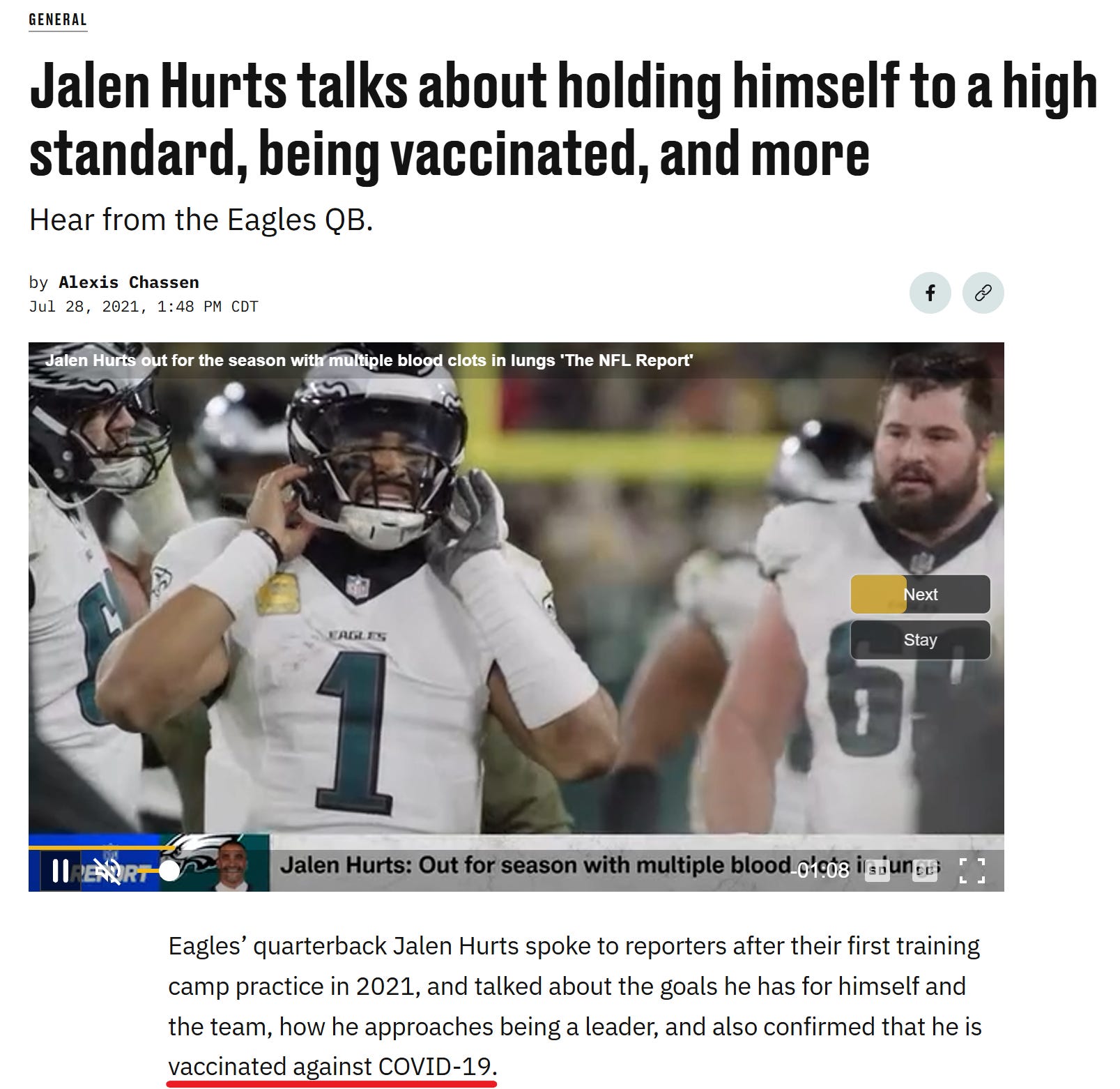
According to official medical evaluations released by the team, the root cause of the initial blood clot was a direct, acute trauma—specifically, getting cleated in the calf during a game against the Los Angeles Rams, followed shortly after by long-distance air travel to London. These two physical factors—direct vascular injury and prolonged immobilization on a flight—are well-established classic triggers for deep vein thrombosis in clinical medicine. I would not be surprised if there is a family history of blood clots in addition.
Etiology and Risk Factors in Elite Athletes
Venous thromboembolism (VTE) in professional athletes is often the result of distinct physical risk factors:
Trauma and Compression: Direct blunt-force impact, muscle tears, and repeated mechanical stress to lower extremities can damage endothelial linings and trigger localized clot formation.
Travel and Immobilization: Transatlantic or long-haul flights restrict leg movement and venous return, significantly elevating the risk of deep vein thrombosis in individuals with recent acute tissue injury.
Anatomical and Genetic Factors: Some athletes possess structural predispositions (such as May-Thurner Syndrome or thoracic outlet syndrome) or underlying hereditary thrombophilias (such as Factor V Leiden mutations).
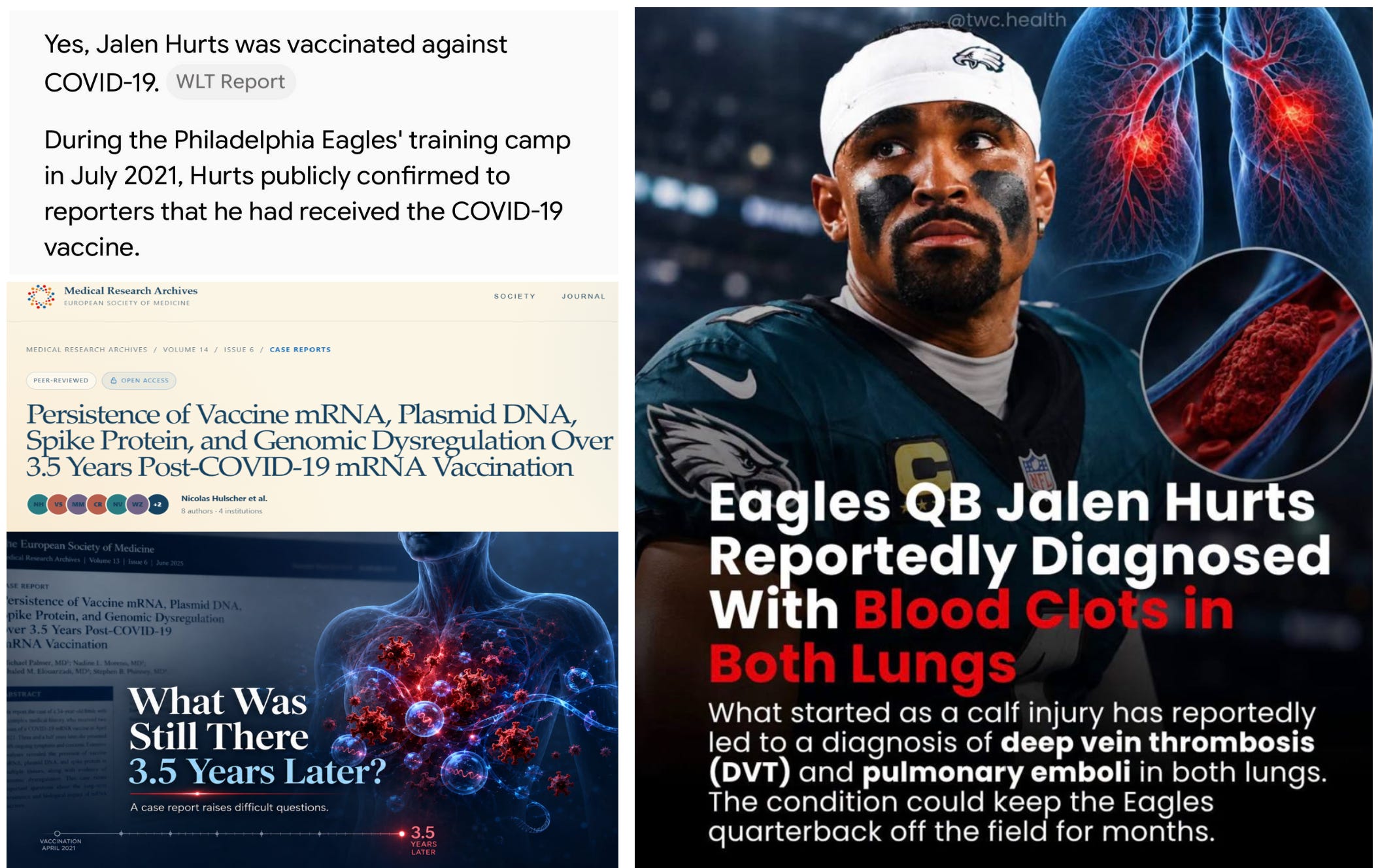
COVID-19 Vaccination: During training camp in July 2021, Hurts publicly confirmed to reporters that he had received the COVID-19 vaccine. While he was vaccinated in July 2021 and missed a preseason game in August 2021 due to an illness, tests confirmed it was not COVID-19. During other instances where he sat out or traveled separately due to non-COVID flu-like symptoms (such as in December 2023), he similarly tested negative. The Spike protein from the vaccine directly tips the balance of clotting and bleeding towards clotting. It is directly found in the clots themselves.

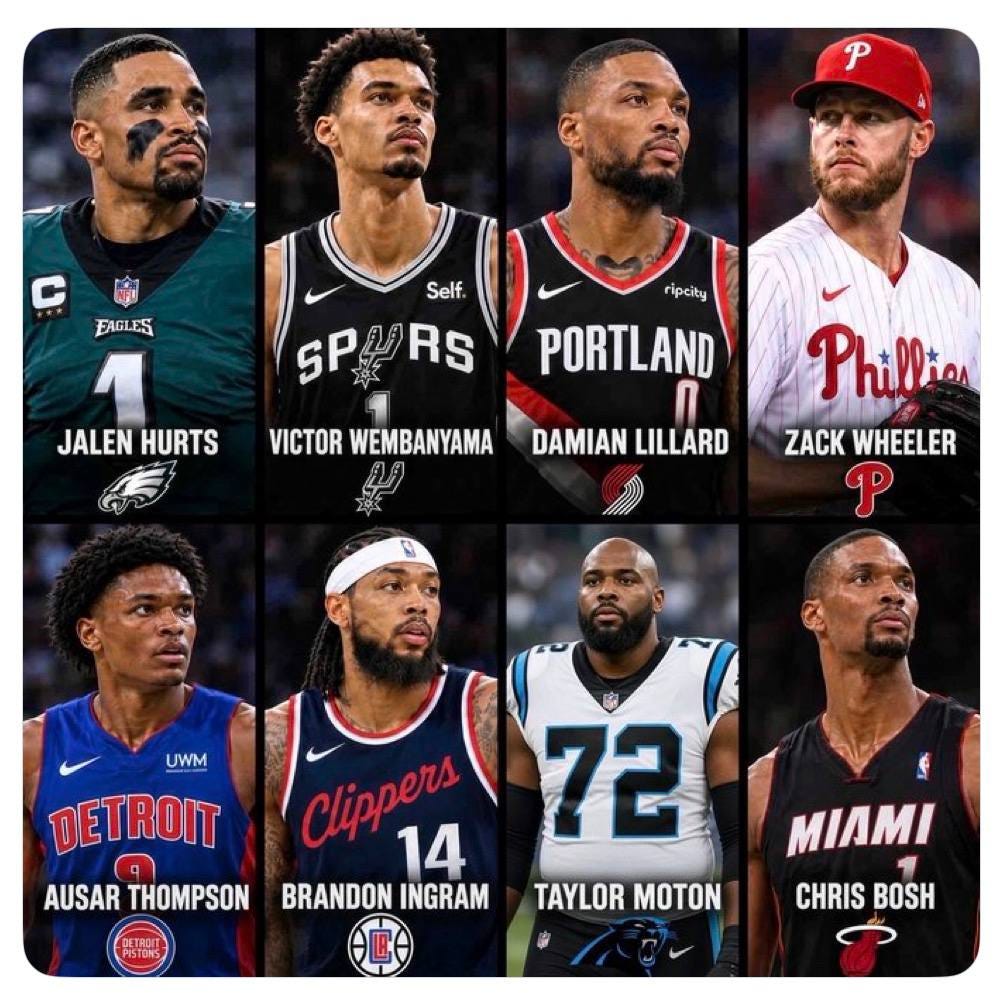
Other high-profile sports figures have also been sidelined with blood clots—including individuals like Nelly Korda, Deion Sanders, Victor Wembanyama, Damian Lillard, Zack Wheeler, Ausar Thompson, Brandon Ingram, Taylor Moton, Chris Bosch, and sportscaster Herb Kirkstreit.
Evidence Regarding SARS-CoV-2 Spike Protein and Thrombosis
Research regarding the SARS-CoV-2 Spike protein, both from viral infection and vaccination, has been extensively documented in medical literature:
Infection-Induced Coagulopathy: Severe COVID-19 infection is strongly associated with thromboinflammation, endothelial injury, and hypercoagulability mediated by viral interaction with ACE2 receptors and systemic immune activation.
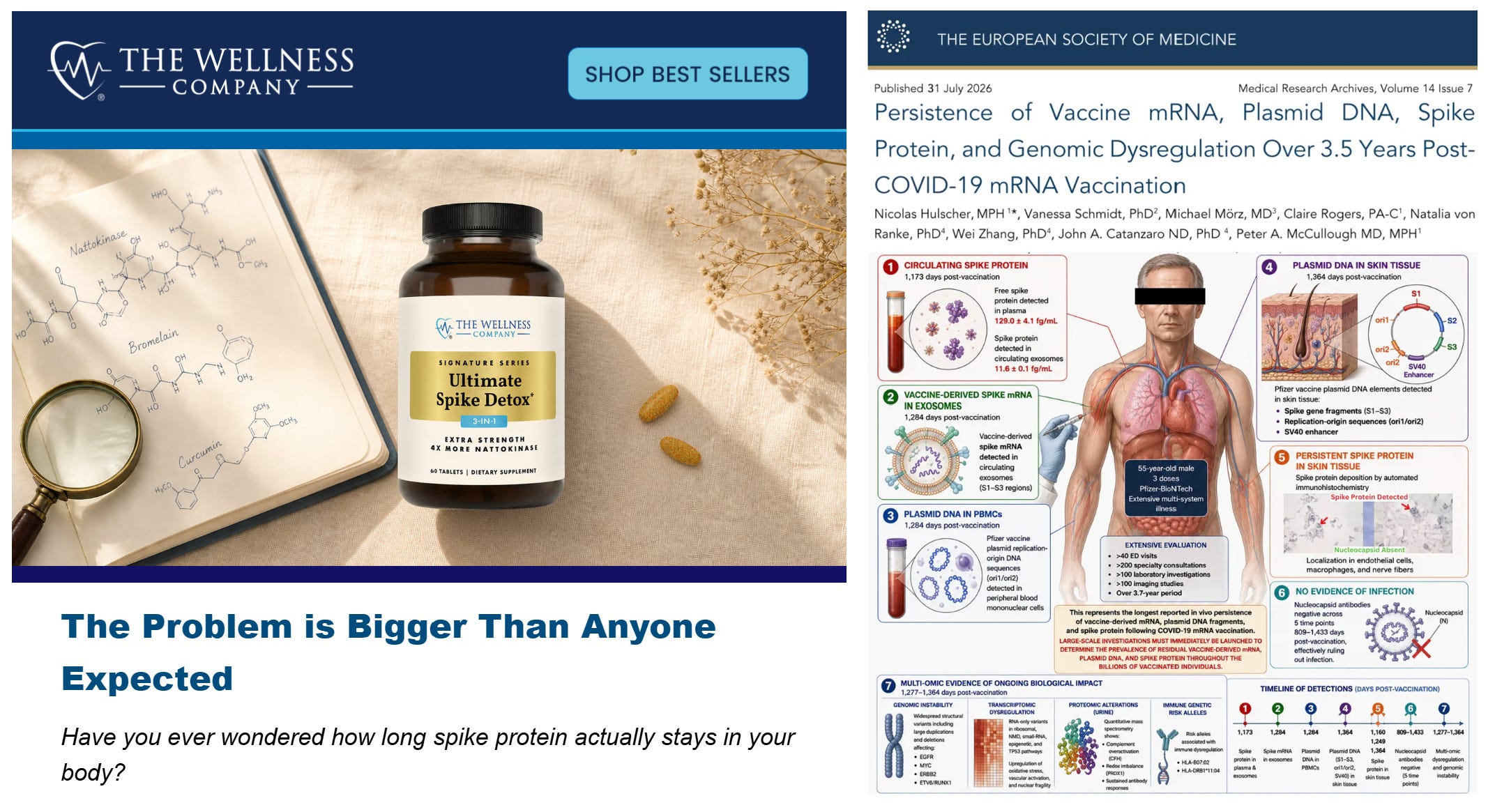
Vaccine Safety Profiles: Adenoviral vector-based vaccines were identified as having a specific risk for Thrombosis with Thrombocytopenia Syndrome (TTS). mRNA-based vaccines have a distinctly different safety profile, with long-lasting mRNA producing Spike protein which accumulates over years. This explains why Hurts could end up with a blood clot years after his shots.
Persistent Spike Protein: Multi-year persistence of Spike protein or mRNA have changed conventional views of clinical toxicology and pathology, where mRNA and translated proteins are not degraded by natural tissue mechanisms over relatively short timeframes, rather they persist in the body for years if not neutralized by antibodies.
Clinical Management and Recovery Standards
Late recognition, reports of keeping Rose up all night before the London game, calls for Rose to engage his personal physicians, and dismissal of the team doctor over mismanagement would not be surprising given the high-profile nature of the case. In evidence-based sports medicine, the standard treatment protocol for deep vein thrombosis and pulmonary embolism focuses on preventing clot propagation and protecting patient safety:
Anticoagulation Therapy: The cornerstone of treatment is therapeutic anticoagulation (blood thinners) for a period typically ranging from 3 to 12 months for serious cases of pulmonary embolism, to prevent more clots and to allow the body’s natural fibrinolytic systems to slowly clear the thrombi.
Restriction from Contact Sports: Because anticoagulants impair normal hemostasis, athletes must strictly abstain from contact activities to prevent life-threatening internal or intracranial hemorrhages.
Conditioning and Monitored Return: All cases should get comprehensive genetic screening for underlying clotting disorders and serial imaging
before an athlete is cleared to resume competition.
Spike Protein Detoxification: In addition to these measures, under the supervision of a doctor, such cases can undergo McCullough Protocol Base Spike Protein Detoxification to actively dissolve the blood clot which in many cases is large and resistant to natural thrombolysis. The protocol comes with the caveat of increased risk of bleeding. This gives athletes the best chance of complete resolution and safe return to the playing field. I have done this in my clinical practice with success.
📝Please subscribe to FOCAL POINTS as a paying ($5 monthly) or founder member so we can continue to bring you the truth. AlterAI may be used to assist in searches, synthesis, and review.
Peter A. McCullough, MD, MPH
Chief Scientific Officer, The Wellness Company
References
De Michele M, d'Amati G, Leopizzi M, Iacobucci M, Berto I, Lorenzano S, Mazzuti L, Turriziani O, Schiavo OG, Toni D. Evidence of SARS-CoV-2 spike protein on retrieved thrombi from COVID-19 patients. J Hematol Oncol. 2022 Aug 16;15(1):108. doi: 10.1186/s13045-022-01329-w. PMID: 35974404; PMCID: PMC9380658.
Mead NM, Rose Jessica, Seneff S, Rogers C, Craven B, Hulscher N, Cosgrove K, Marik P, McCullough PA. (2025). Compound Impacts of COVID-19 mRNA Vaccination and SARS-CoV-2 Infection: A Convergence of Diverse “Spikeopathies” and Other Hybrid Harms. Medical Research Archives, [S.l.], v. 13, n. 11, nov. 2025. ISSN 2375-1924. https://esmed.org/MRA/mra/article/view/7087. doi:https://doi.org/10.18103/mra.v13i11.7087.10.20944/preprints202508.1082.v1.
Hulscher N, Schmidt V, Morz M, Rogers C, von Ranke N, Zhang W, Catanzaro JA, McCullough PA, Persistence of Vaccine mRNA, Plasmid DNA, Spike Protein, and Genomic Dysregulation Over 3.5 Years Post-COVID-19 mRNA Vaccination. Medical Research Archives, [S.l.], v. 14, n. 6, july 2026. ISSN 2375-1924. https://esmed.org/MRA/mra/article/view/7631.doi: https://doi.org/10.18103/mra.2026.0351.
Kirk Herbstreit, lol
Good but it is Jalen Hurts not Jalen Rose (former basketball player MICH fab five retired).