


By Peter A. McCullough, MD, MPH
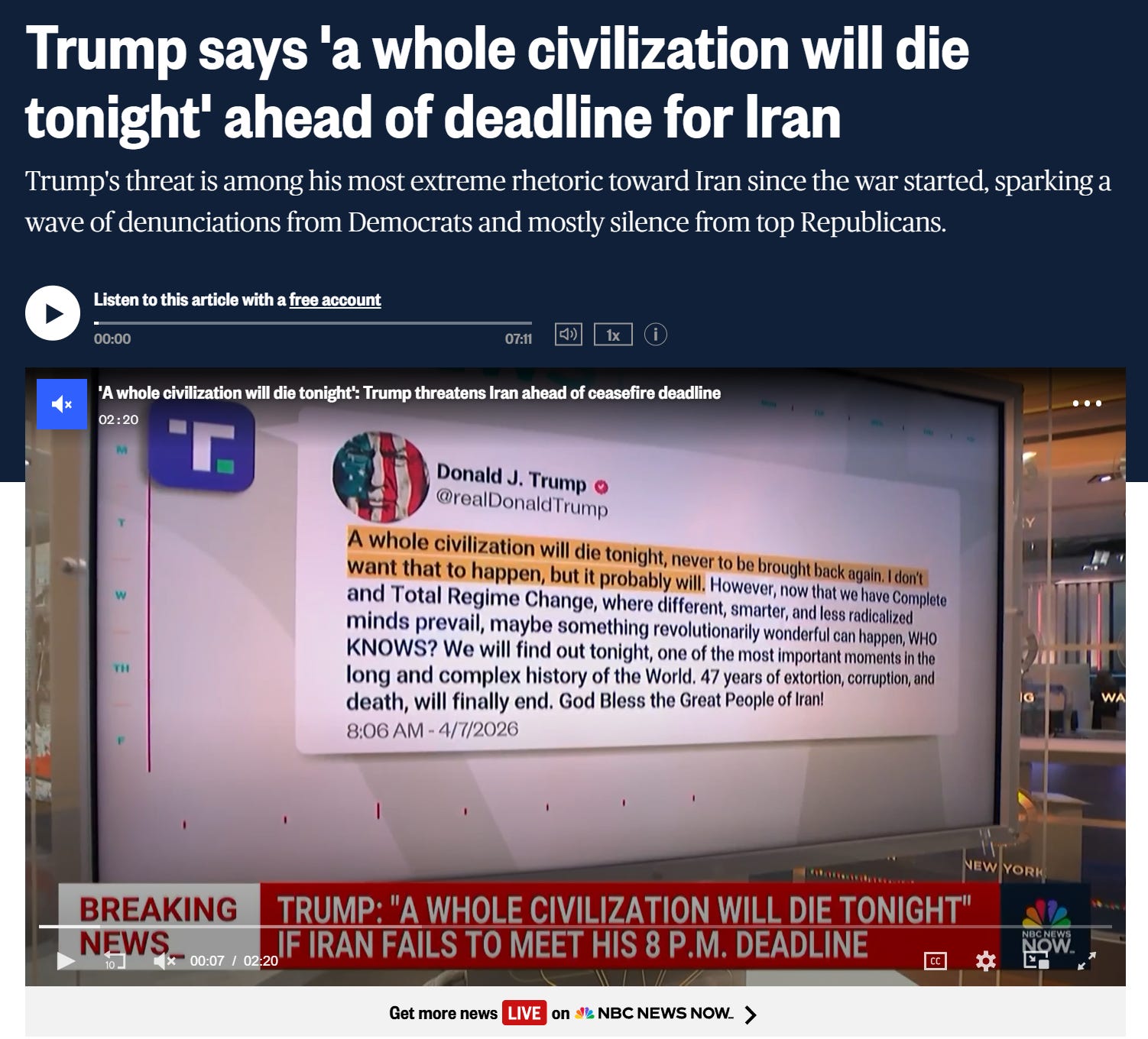
Nearing the end of a ten-day ultimatum period, President Trump has threatened to wipe out the entire civilization in Iran with a population of 93 million. Considering 39 days of bombing from the joint US-Israeli forces, Iran has had plenty of time to get ready with civil defense. I wondered with Alter AI how their major population centers would prepare. Unlike Gaza and Lebanon, where Israeli forces have driven people from their homes and attacked in the open, Iranians may have the opportunity to go underground.
Iran’s major population centers reflect both its long civilizational history and its modern strategic anxieties. The ten largest urban areas—Tehran, Mashhad, Isfahan, Karaj, Shiraz, Tabriz, Qom, Ahvaz, Kermanshah, and Urmia—together concentrate tens of millions of people and a large share of the country’s infrastructure, industry, and governance. In every major Iranian city, the military maintains a persistent, layered presence. The Islamic Revolutionary Guard Corps, also known domestically as Sepah or Pasdaran and internationally as Iranian Revolutionary Guards, is a multi-service primary force of the Iranian Armed Forces. It consists of five service branches: Ground Forces, Aerospace Force, Navy, Quds Force, and Basij. Their exposure to past conflict, particularly the Iran–Iraq War (1980–1988), has shaped varying degrees of civil defense preparation, including the development and use of bomb shelters and broader societal resilience.

