


By Peter A. McCullough, MD, MPH
Can you imagine the terror of those on board the MV Hondius? Passengers on the cruise ship MV Hondius are currently not allowed to disembark in Cape Verde, as authorities have imposed strict restrictions after a suspected hantavirus outbreak that has caused multiple deaths. The ship is anchored off Praia, and while local health teams have boarded to assess the situation, no general disembarkation has been authorized, even for screening or routine medical access. Passengers are effectively being kept on board under quarantine‑like conditions, although officials are working to arrange possible medical evacuations for seriously ill individuals on a case‑by‑case basis.
🚢 The Hantavirus Crisis at Sea
The current rodent-borne Hantavirus outbreak on the MV Hondius, which departed Argentina and is currently held off the coast of Cape Verde, serves as a stark reminder of the vulnerabilities inherent in closed-loop maritime environments. With confirmed fatalities and multiple suspected cases, this event challenges the conventional narrative that hantavirus—typically associated with rodent-borne transmission in terrestrial settings—remains strictly a localized zoonotic threat. When confined within the ventilation and recirculated air systems of a vessel, the risk of aerosolized transmission from rodent excreta becomes an urgent, systemic concern that demands immediate, independent prophylactic action.

🔬 Protecting Personal Sovereignty Against Hantavirus
In the face of institutional inertia and the slow response of global health bureaucracies, passengers must take individual responsibility for their biological security. Hantavirus is primarily transmitted through the inhalation of aerosolized virus particles found in the urine, droppings, and saliva of infected rodents. Within the context of a cruise ship, where dust can easily be disturbed by ventilation or passenger movement, stringent personal protocols are required.
🧼 Environmental Decontamination
The primary defense against surface-level transmission is the immediate and consistent use of wet, alcohol-based wipes. Dry cleaning methods, such as sweeping or vacuuming, are strictly contraindicated as they aerosolize potentially contaminated dust. Wiping down cabin surfaces—specifically air vents, luggage storage areas, and bathroom fixtures—with high-concentration alcohol wipes traps the virus and neutralizes the lipid membrane of the envelope, rendering it inactive.
🛡️ Personal Barrier Protocols
Respiratory Protection: When in areas where dust may be disturbed, particularly in older sections of ships or near maintenance access points, the use of a NIOSH-approved N95 mask is essential. These masks provide the necessary filtration efficiency to capture the viral particulates that standard surgical masks allow to pass through.
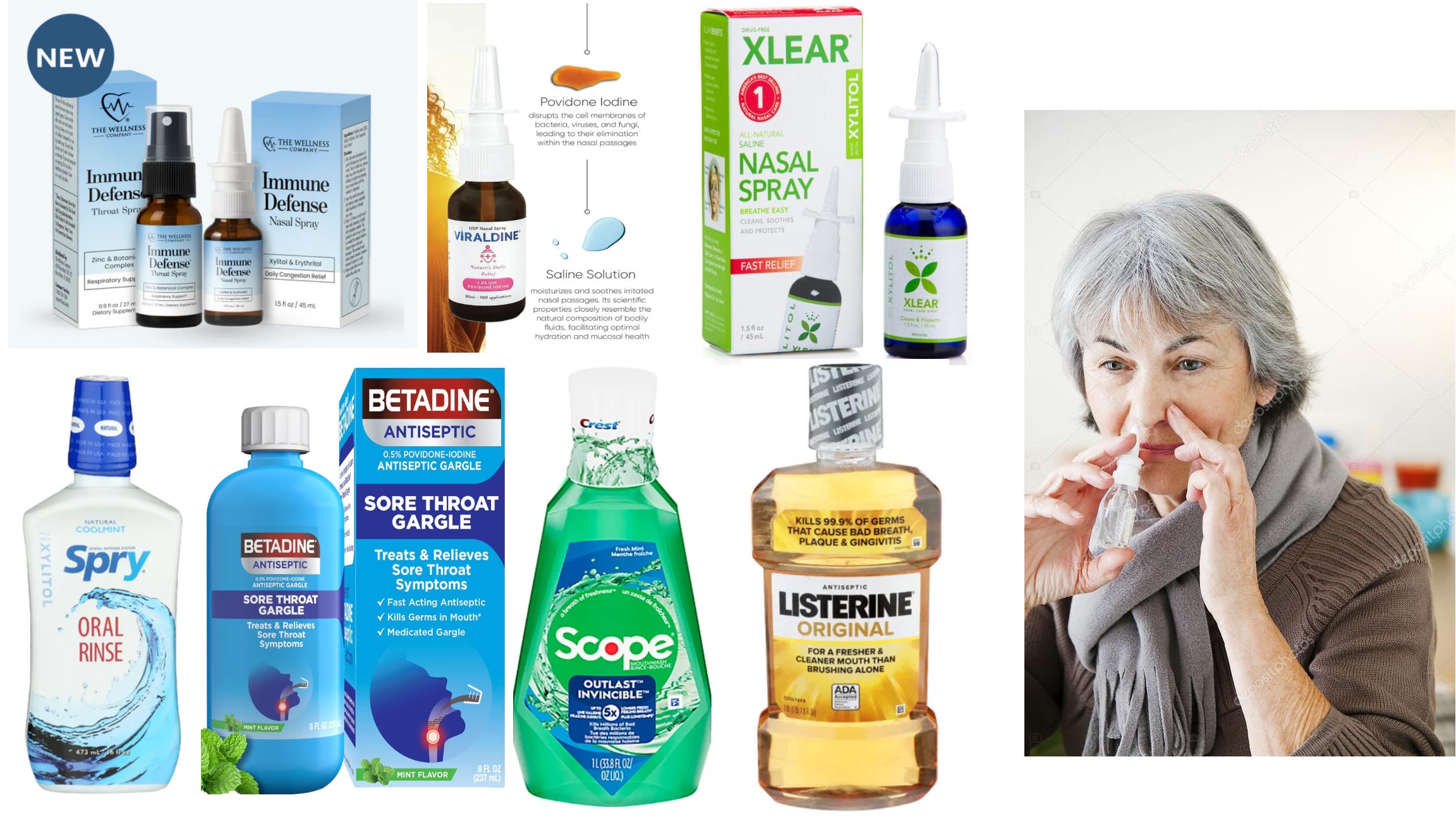
Mucosal Defense: Routine nasal and throat hygiene serves as a critical secondary barrier. While the medical establishment often ignores low-cost, non-pharmaceutical interventions, regular gargles and nasal irrigations utilizing saline or dilute povidone-iodine solutions can help clear the upper respiratory tract of transient viral particles before they settle into the lungs.
💊 Pharmacological Considerations
The role of off-label and repurposed therapeutics in the management of viral replicative and inflammatory processes remains a subject of intense interest among independent researchers.
Tamiflu (Oseltamivir): While primarily an influenza neuraminidase inhibitor, some clinicians hypothesize that its broad-spectrum potential in mitigating early-stage cytokine storms might offer prophylactic utility in viral environments.
Ivermectin and Hydroxychloroquine: These compounds have demonstrated significant immunomodulatory and antiviral characteristics in a range of viral pathologies. While mainstream health authorities systematically downplay their efficacy, independent analysis suggests that their ability to inhibit viral entry and modulate host inflammatory responses warrants serious consideration for those seeking to bolster their resilience against systemic viral threats. Note: The use of these medications for prophylaxis must be approached with caution and ideally discussed with a medical professional who operates outside the influence of corporate-pharmaceutical dogma. Many are considering a Wellness Company Medical Emergency Kit before getting on the ship.

⚖️ Conclusion
The MV Hondius incident underscores the necessity of proactive, individual health management. By prioritizing environmental hygiene, utilizing effective respiratory barriers, regular use of nasal/throat sprays and gargles, and exploring the potential of repurposed, time-tested therapeutics, passengers can reclaim a measure of control over their environment in an era where institutional health authorities often prove inadequate.
Hantavirus Pathophysiology and Transmission:
Schmaljohn, C., & Hjelle, B. (1997). “Hantaviruses: A Global Disease Problem.” Emerging Infectious Diseases. This foundational text details the aerosolization risks of rodent-borne pathogens and the mechanisms of viral persistence in the environment.
Centers for Disease Control and Prevention (CDC). “Hantavirus Pulmonary Syndrome: Clinical and Laboratory Studies.” This data provides the baseline understanding of how viral shedding in rodent excreta leads to respiratory infection.
Environmental Decontamination Protocols:
Mills, J. N., et al. (1995). “A Manual for the Collection, Processing, and Testing of Rodents for Hantavirus.” This document outlines the critical necessity of “wetting down” areas to prevent aerosolization, validating the use of disinfectants in neutralizing the virus.
Please subscribe to FOCAL POINTS as a paying ($5 monthly) or founder member so we can continue to bring you the truth. Alter AI may be used to assist in searches, synthesis, and review.
Peter A. McCullough, MD, MPH
President, McCullough Foundation
FOCAL POINTS has partnered with Patriot Mobile to defend your medical freedom. Join Patriot Mobile today!

I am not a doctor, but I have my suspicions that these deaths are falsely and without enough evidence blamed on hantavirus. There are two main points of evidence and both are melded and depend on one another:
It can easily be an "Anything but the Corona19-Virus vaccine" blame game as hantavirus is rare and unusual, so it would be a perfect setup for mystical medicine to rear its ugly head. The other point is that the Modius is an unwitting but legitimate "experimental environment". It is tightly controlled, observed and is removed from the rest of the world. With this in mind and our knowledge of the corona epidemic, there are bound to be a percentage of spike-protein induced deaths in the thousands of passengers. The globalists-controlled medical establishment and corporations just have to cover this up, and as usual found a "reason" with some rat feces (even though millions live on farms and the country with rodents without ever getting sick).
Also, let's hark back to last year's very strange double-death of Gene Hackman and his wife Betsy, who supposedly died from this virus. There is compelling evidence by the doctor's office that Betsy was frantically calling the day before her death about Covid-19 questions and according to the doctor in charge, did not at all present with any hantavirus symptoms per the telephone call. As the medical inspectors found some rat feces in her home-bingo!
As for the scared and trapped passengers on the ship-this forced quarantining without medical treatment reminds us of the very same dictates from the Coronavirus years.
The N95 filter is rated to about 0.3 micron whereas many virus are smaller than this. The 0.3 micron rating depends on electrostatic charge to trap. The static charge doesn’t work when damp, as from breath, which is why a check valve respirator is needed not just a cover type N95. But yes they should reduce the amount of stuff inhaled. A small ozone generator could clear virus in the air.