


It’s summertime for me in Texas, that means another 100 degree day coming home from work and deciding, should I go for a workout which is typically involves calisthenics, biking, running, finished by swimming but all in the heat?
💧 Sweat Equity: Harnessing Summer’s Heat as Nature’s Detox Protocol
The human body possesses an elegant, built-in detoxification system that modern medicine consistently undervalues: sweating. As temperatures climb each summer, millions retreat into air-conditioned bubbles, slathering on antiperspirants that chemically block one of our most ancient purification mechanisms. This avoidance of a natural physiological process represents a profound misunderstanding of what the body is trying to accomplish when the mercury rises.
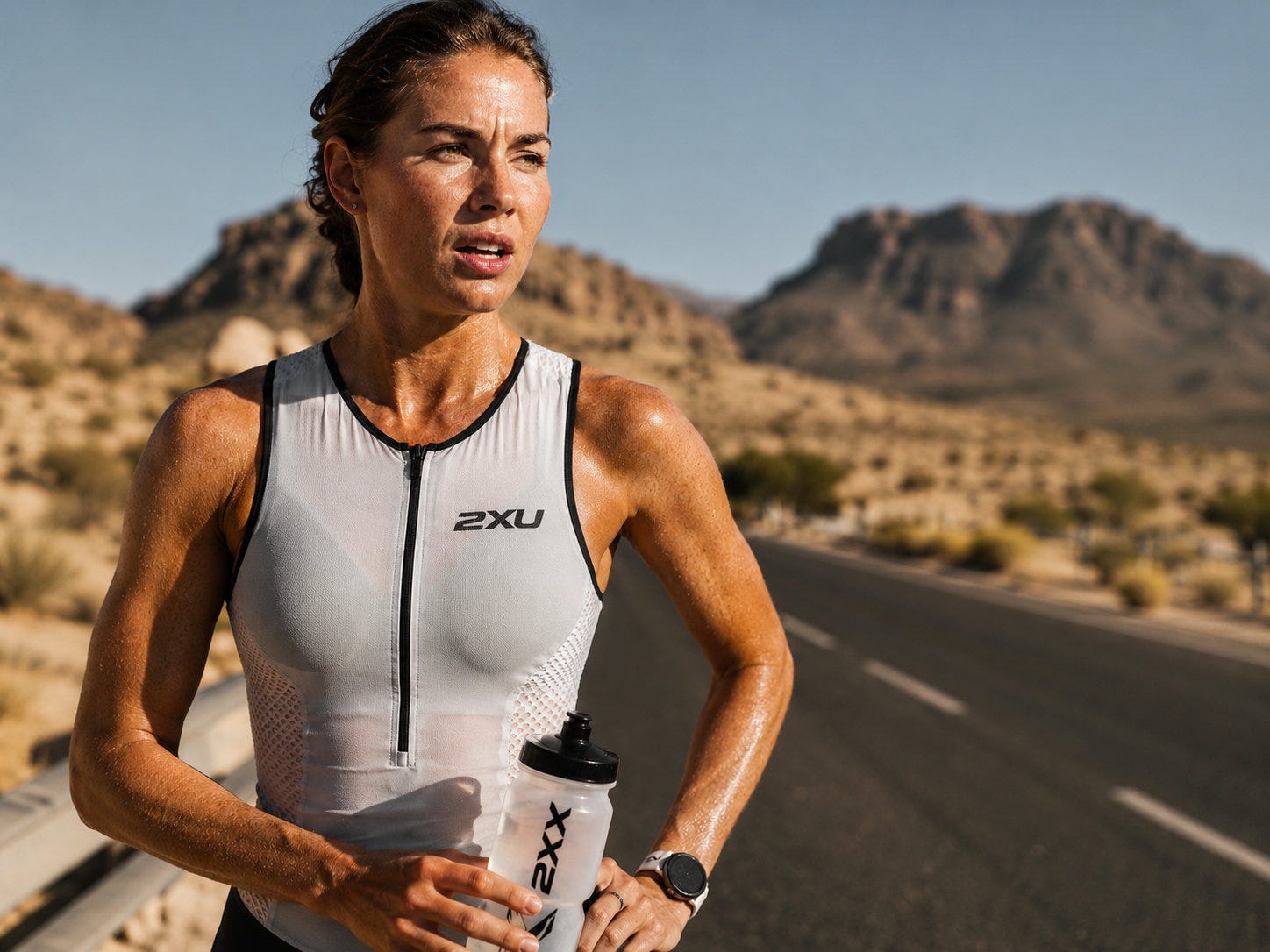
🔬 The Biochemistry of Therapeutic Sweating
Sweat is not merely saltwater. Eccrine glands—the body’s primary sweat-producing structures numbering between 2 and 5 million across human skin—excrete a complex cocktail that includes heavy metals, phthalates, bisphenol A (BPA), and per- and polyfluoroalkyl substances (PFAS), and yes mRNA and Spike protein from COVID-19 vaccination years ago. Research has consistently demonstrated that arsenic, cadmium, lead, and mercury are measurably excreted through sweat, often at concentrations exceeding those found in urine.
A 2012 systematic review published in the Journal of Environmental and Public Health documented that induced sweating consistently mobilized stored toxicants from adipose tissue and eliminated them through the skin. This is particularly significant given that many persistent organic pollutants are lipophilic—they sequester in fat tissue where they resist urinary excretion. Sweating provides a route of elimination that bypasses this limitation entirely.
The mechanism is straightforward: as core body temperature rises, blood flow to the skin increases dramatically—up to 8 liters per minute during intense heat exposure. This perfusion carries mobilized toxins to sweat glands, where they exit the body. Simultaneously, the heat shock proteins activated by thermal stress initiate cellular repair cascades and autophagy, the body’s intracellular housekeeping process.
🌡️ Beyond Detox: The Systemic Benefits
The benefits extend well beyond toxicant elimination:
Cardiovascular conditioning. Passive heating through sauna use—a close analogue to summer heat exposure—demonstrates remarkable effects on cardiovascular health. The Kuopio Ischemic Heart Disease Study, tracking over 2,300 middle-aged Finnish men across two decades, found that those using saunas 4–7 times weekly experienced a 63% reduction in sudden cardiac death and a 50% reduction in cardiovascular mortality compared to once-weekly users. The physiological stress of heat exposure mimics moderate cardiovascular exercise, improving endothelial function, reducing arterial stiffness, and lowering blood pressure.
Immune system modulation. Hyperthermia triggers a transient increase in circulating white blood cells, natural killer cells, and neutrophils. This simulated fever state activates dormant immune pathways that modern temperature-controlled living leaves chronically understimulated.
Mental health and neuroprotection. Heat exposure elevates beta-endorphins and dynorphins. The initial discomfort of heat triggers dynorphin release, which subsequently upregulates endorphin receptors—producing the euphoric “afterglow” familiar to sauna users. More critically, repeated heat exposure increases expression of brain-derived neurotrophic factor (BDNF), and observational data from the KIHD study suggests a 66% reduction in dementia and Alzheimer’s risk among frequent sauna users.
Skin purification. The increased blood flow and pore dilation during sweating mechanically flushes sebaceous glands, reducing bacterial load and improving skin microbiome diversity. This is the body’s own deep-cleaning mechanism—no topical product can replicate it.
🧪 The Modern Toxic Burden
The case for intentional sweating has never been stronger. The average person now carries an unprecedented body burden of synthetic chemicals. NHANES biomonitoring data reveals that virtually every American has detectable levels of phthalates, flame retardants, pesticides, and industrial compounds circulating in their blood and stored in their tissues. The liver and kidneys—magnificent as they are—evolved to handle naturally occurring toxins, not the thousands of novel synthetic compounds introduced since the Industrial Revolution.
Glyphosate, the world’s most widely applied herbicide, is now detectable in the urine of the majority of the population. Atrazine, linked to endocrine disruption, contaminates drinking water across the agricultural Midwest. Microplastics have been found in human blood, lung tissue, and placental samples. These compounds were never part of our evolutionary environment, and our primary detoxification pathways are not optimized for their elimination.
Sweating provides an auxiliary route—a pressure-release valve for a system under unprecedented chemical siege.
💦 Hydration: The Non-Negotiable Foundation
None of the above is possible without adequate hydration. The average adult loses 0.8 to 1.4 liters of water per hour during heavy sweating in hot conditions. This fluid is not merely water—it carries electrolytes, trace minerals, and water-soluble vitamins that must be replaced for continued safe sweating.
Dehydration during heat exposure is dangerous and counterproductive. When fluid volume drops, sweating decreases, toxin elimination stalls, and core temperature rises unchecked. The body, in its wisdom, prioritizes temperature regulation over detoxification—but only when fluid reserves permit both.
This is where strategic hydration becomes essential. Water alone is insufficient for prolonged sweating; electrolyte replacement is mandatory. Sodium, potassium, magnesium, and calcium losses during heavy sweating can reach clinically significant levels, and hyponatremia from consuming plain water without electrolyte replacement during extended heat exposure is a well-documented medical emergency.
🧊 The Pique Life Deep Hydration Protocol: A 24-Hour Solution
Pique Life’s Deep Hydration Protocol bundles two complementary products designed for round-the-clock hydration coverage, and the logic behind this pairing is physiologically sound.

The daytime component—BT Fountain Electrolyte Recovery—addresses acute needs. During active sweating in summer heat, rapid sodium and potassium replenishment is paramount. Sodium facilitates fluid retention and prevents the dangerous drop in plasma osmolality that occurs when sweaters drink plain water without salt. Potassium maintains intracellular fluid balance and prevents muscle cramping. Magnesium supports the hundreds of enzymatic reactions involved in energy metabolism during heat stress. A well-formulated electrolyte product taken during and after heat exposure transforms sweating from a potentially dehydrating stress into a controlled therapeutic intervention.
The nighttime component—RE Fountain—addresses the repair window. Sleep is when the body conducts its most intensive cellular repair, and hydration status during these hours is frequently overlooked. The 8-hour fasting period of sleep represents a significant dehydration window, particularly after a day of heavy sweating. Pique’s sleep formulation provides sustained, slow-release hydration without the diuretic effect that disrupts sleep architecture. The inclusion of calming botanicals and skin-supporting compounds aligns with the body’s natural circadian repair rhythms. Skin that has been purged through sweating during the day receives continued support through the night.
The 24-hour coverage concept is not marketing—it is physiology. Sweating depletes; sleep restores. Addressing only the active sweating window while neglecting the overnight repair window leaves half the equation unsolved. The bundled approach ensures continuity: electrolyte-supported sweating during waking hours, sustained hydration and repair support during sleep.
For anyone implementing a regular heat exposure protocol—whether through outdoor summer activity, sauna use, or exercise—this dual-phase hydration strategy represents the difference between stress and adaptation. The body can only benefit from heat exposure to the extent that its fluid and electrolyte reserves permit. Pique’s bundle acknowledges this reality and addresses it comprehensively.
Please subscribe to FOCAL POINTS as a paying ($5 monthly) or founder member so we can continue to bring you the truth. AlterAI may be used to assist in searches, synthesis, and review.
Peter A. McCullough, MD, MPH
President, McCullough Foundation
FOCAL POINTS has partnered with Pique to promote your optimal health. To learn more about Pique products and get 20% off and free gifts today, https://www.piquelife.com/DRPETER

📚 References
Sears, M. E., Kerr, K. J., & Bray, R. I. (2012). Arsenic, cadmium, lead, and mercury in sweat: A systematic review. Journal of Environmental and Public Health, 2012, 184745.
Genuis, S. J., Birkholz, D., Rodushkin, I., & Beesoon, S. (2011). Blood, urine, and sweat (BUS) study: Monitoring and elimination of bioaccumulated toxic elements. Archives of Environmental Contamination and Toxicology, 61(2), 344–357.
Laukkanen, J. A., Laukkanen, T., & Kunutsor, S. K. (2018). Cardiovascular and other health benefits of sauna bathing: A review of the evidence. Mayo Clinic Proceedings, 93(8), 1111–1121.
Laukkanen, T., Kunutsor, S., Kauhanen, J., & Laukkanen, J. A. (2017). Sauna bathing is inversely associated with dementia and Alzheimer’s disease in middle-aged Finnish men. Age and Ageing, 46(2), 245–249.
Crinnion, W. J. (2011). Sauna as a valuable clinical tool for cardiovascular, autoimmune, toxicant-induced and other chronic health problems. Alternative Medicine Review, 16(3), 215–225.
Hussain, J., & Cohen, M. (2018). Clinical effects of regular dry sauna bathing: A systematic review. Evidence-Based Complementary and Alternative Medicine, 2018, 1857413.
Patrick, R. P., & Johnson, T. L. (2021). Sauna use as a lifestyle practice to extend healthspan. Experimental Gerontology, 154, 111509.
Kukkonen-Harjula, K., & Kauppinen, K. (2006). Health effects and risks of sauna bathing. International Journal of Circumpolar Health, 65(3), 195–205.
I felt it coming as I was reading this article. I could feel the crescendo building. I was thinking, “wait for it… wait for it.” And sure enough, the infomercial came. I don’t have any objection to Dr. McCullough selling products, it’s just the way it’s done. The article could have just been up front, starting out right away recommending the product and saying why.
Like another commenter I could feel the infomercial but I had to be thankful for the best short article on the physiology of healthy sweating I have ever read.
My complaint/comment is two fold: first, as an exceptional and remarkable physician who is well paid and should be for his hard and honest work in a world of dishonest physicians I find it ironic that this otherwise good man should be so blind to the needs of those with fewer monetary resources.
Would it not be good to recommend an alternative hydration path to those out there who simply cannot afford the very pricey products that are highlighted here? And behold , would not God, who gave Dr. McCullough his intellectual gifts and self discipline be pleased if he used them not just for the rich but also for the poor in a practical way such as alternatives to his pricey Wellness and referred products? I think so.
Second, the article refers to the “evolution” of the liver and kidneys as detoxification mechanisms but this is simply delusion. They were specifically designed and made by the gracious God who created us to be what they are. They did not “evolve” into the miraculous organs they are: to put it into the words of scripture; “we are fearfully and wonderfully made”, and it pleases Him, and behooves us, to recognize this, and speak and write accurately about it.
Many blessings