

NEW STUDY: Intranasal Nano-Ivermectin Shrinks Brain Tumors by 70% Without Toxicity
Landmark preclinical study shows intranasal ivermectin nanocapsules safely shrink glioblastoma in animal models at doses lower than the approved human antiparasitic dose.

A groundbreaking preclinical study published in ACS Biomaterials Science & Engineering has revealed that nano-formulated ivermectin delivered intranasally reduced glioblastoma tumor size by 70% — at a dose lower than the approved human antiparasitic dose — all without a trace of toxicity in the brain, blood, or lungs.
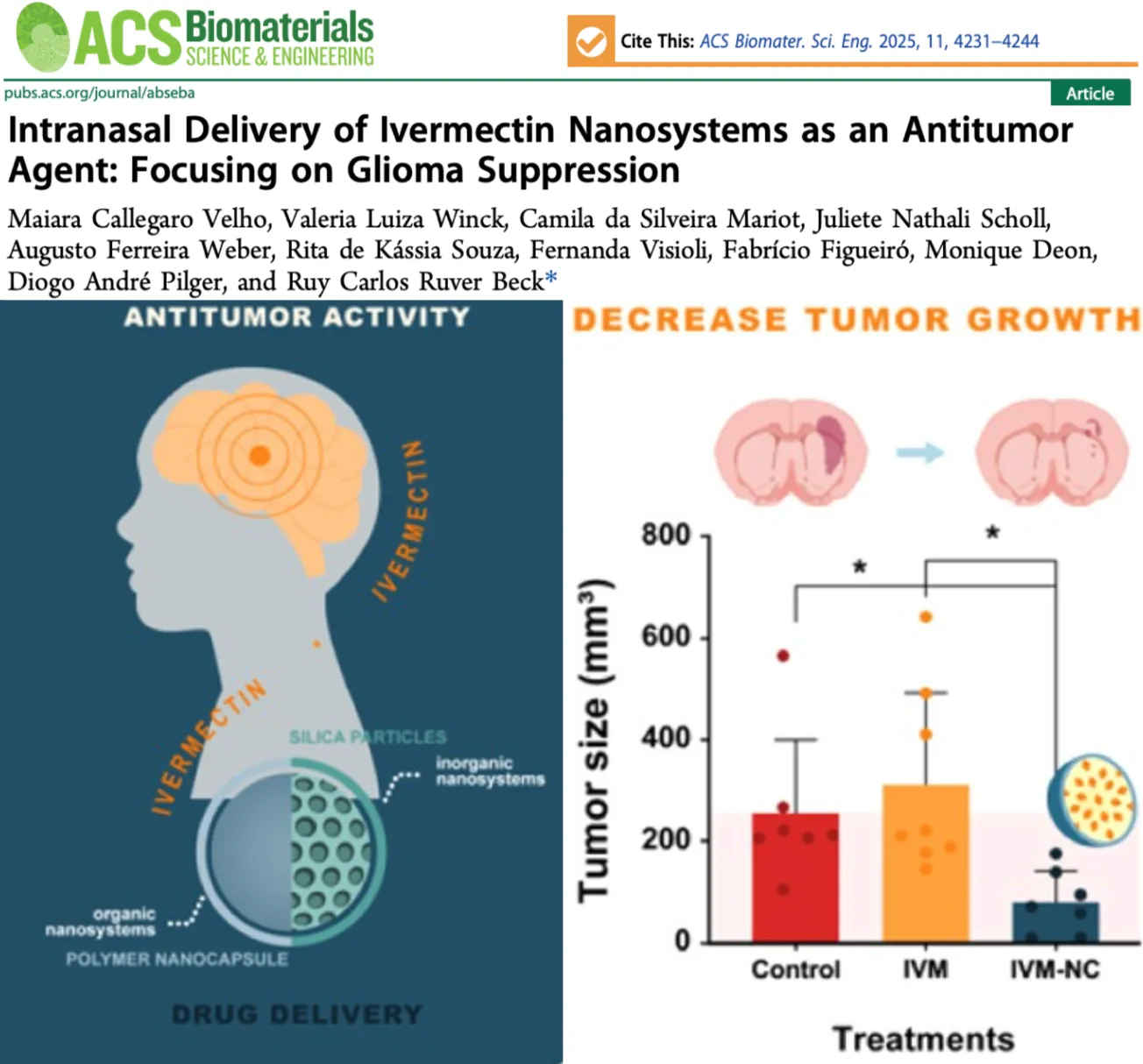
Glioblastoma is one of the deadliest and most treatment-resistant cancers on Earth, with median survival under 15 months. The blood–brain barrier blocks most drugs from reaching the tumor.
Researchers from the Federal University of Rio Grande do Sul (Brazil) engineered ivermectin nanocapsules (IVM-NC) using biodegradable, biocompatible polymers commonly employed in dissolvable sutures and medical implants, and administered them intranasally to rats bearing brain tumors.
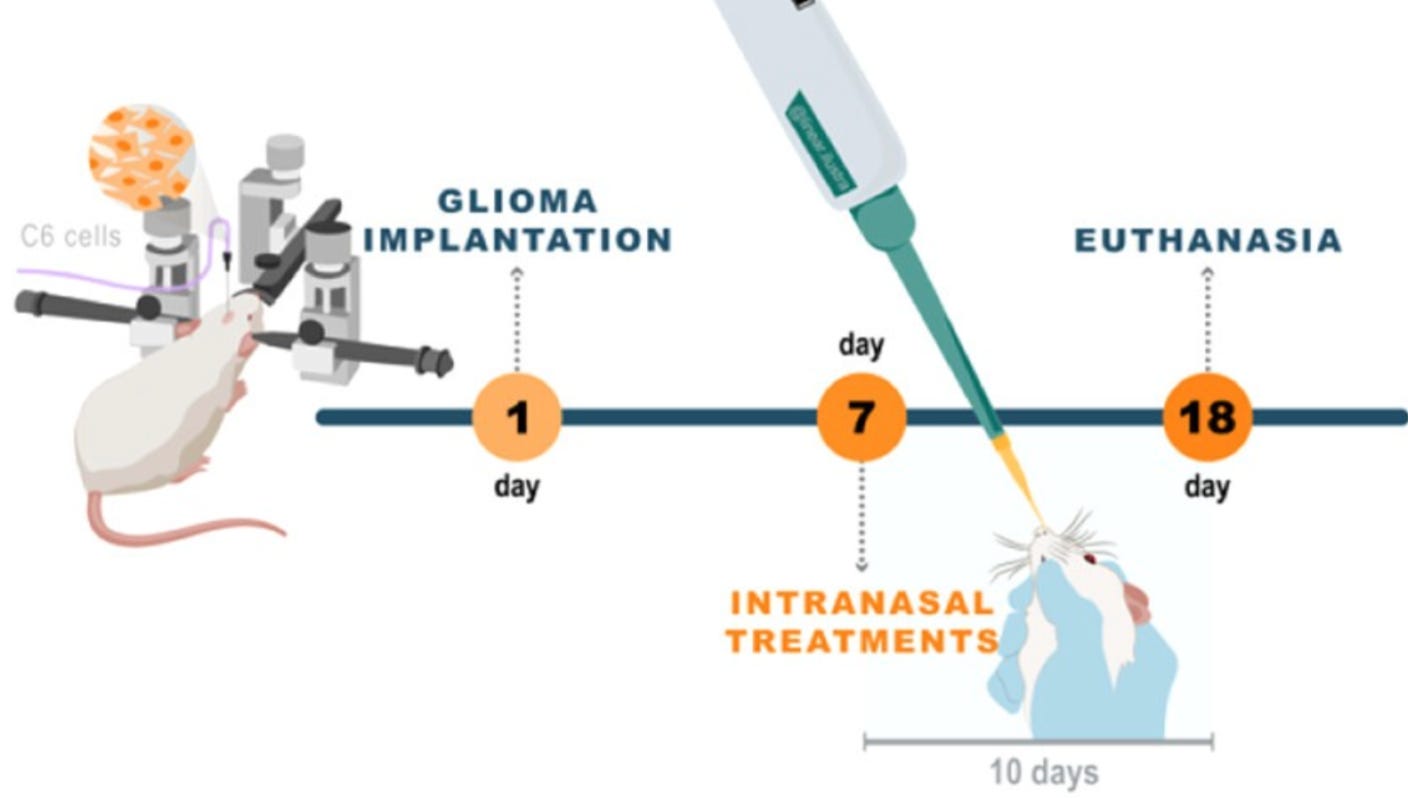
This “nose-to-brain” delivery allowed the drug to bypass the blood–brain barrier entirely, directly targeting the tumor site.
Tumor Size Reduced by 70%
After just 10 days of treatment:
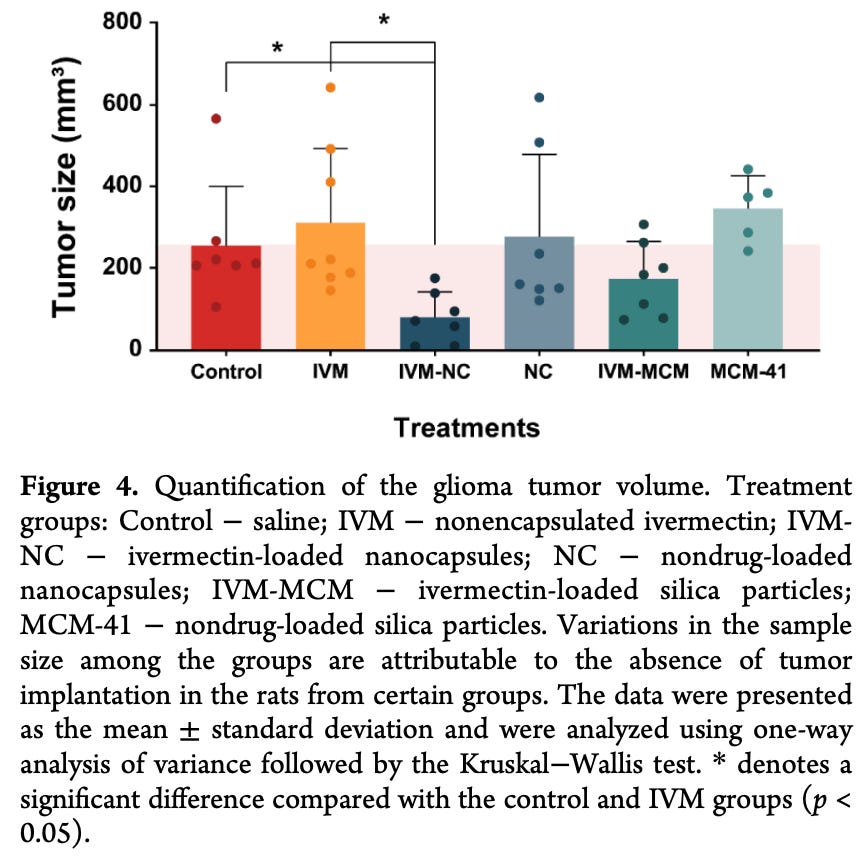
Control tumors averaged 254 mm³
IVM-NC tumors averaged only 79 mm³ — a 70% reduction in size, confirmed by histopathology
Non-encapsulated (free) ivermectin — given the same intranasal route — had no measurable effect
Microscopic analysis revealed that both ivermectin-treated groups — the free ivermectin and the nano-formulated ivermectin — showed reductions in necrosis, peritumoral edema, and vascular proliferation compared with controls.
This marks the first in vivo evidence that ivermectin, when properly formulated and delivered, can drastically suppress glioblastoma growth at doses far below standard antiparasitic levels.
Zero Detectable Toxicity
At the same time, the nano-formulated ivermectin showed no adverse effects:
No changes in body weight, liver, or kidney markers
No lung inflammation, hemorrhage, or edema
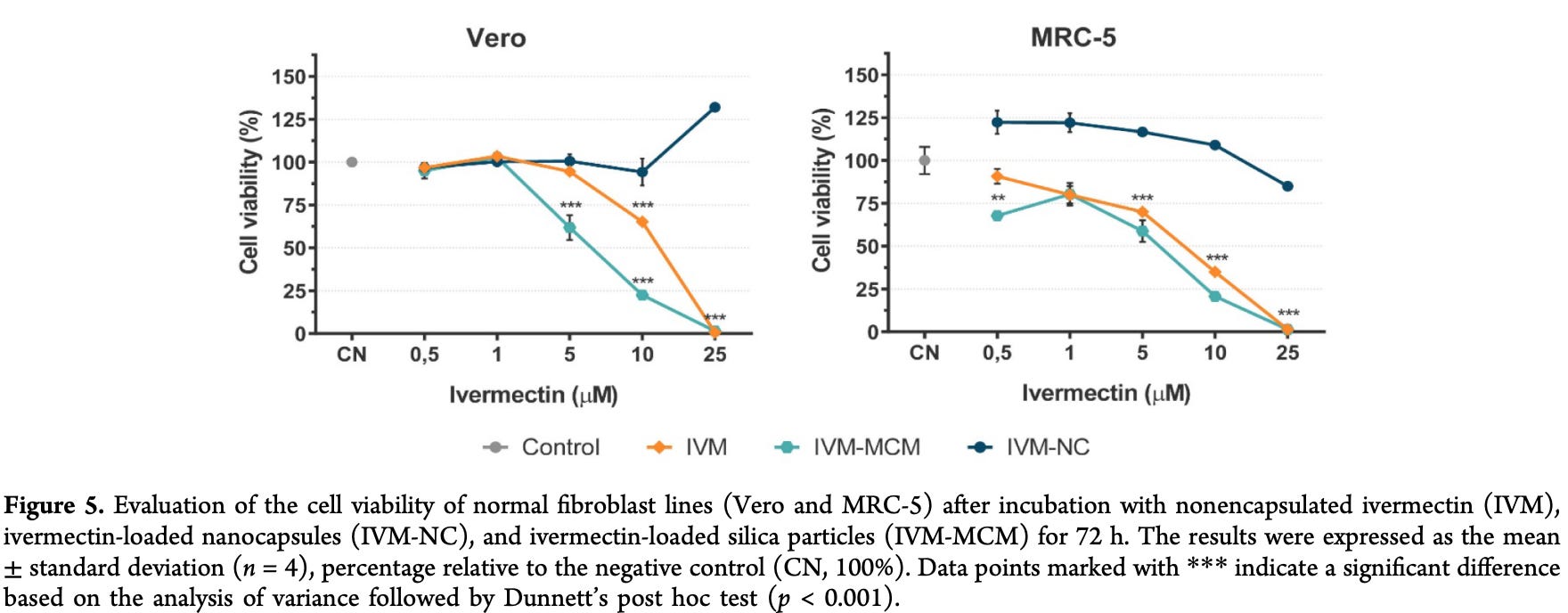
No cytotoxicity in normal fibroblast cell lines
Even at repeated daily doses, the treatment remained completely well-tolerated.
By contrast, the non-nano (free) ivermectin and silica nanoparticle formulations both caused tissue irritation and cell death at higher concentrations.
These findings align with ivermectin’s 14 distinct anti-cancer mechanisms summarized by Yuwen et al., encompassing inhibition of oncogenic signaling (YAP1, Wnt–TCF, Akt/mTOR, EGFR/NF-κB, MAPK), mitochondrial and oxidative-stress induction, ion-channel modulation, and suppression of both cancer stem cells and the epithelial–mesenchymal transition (EMT).

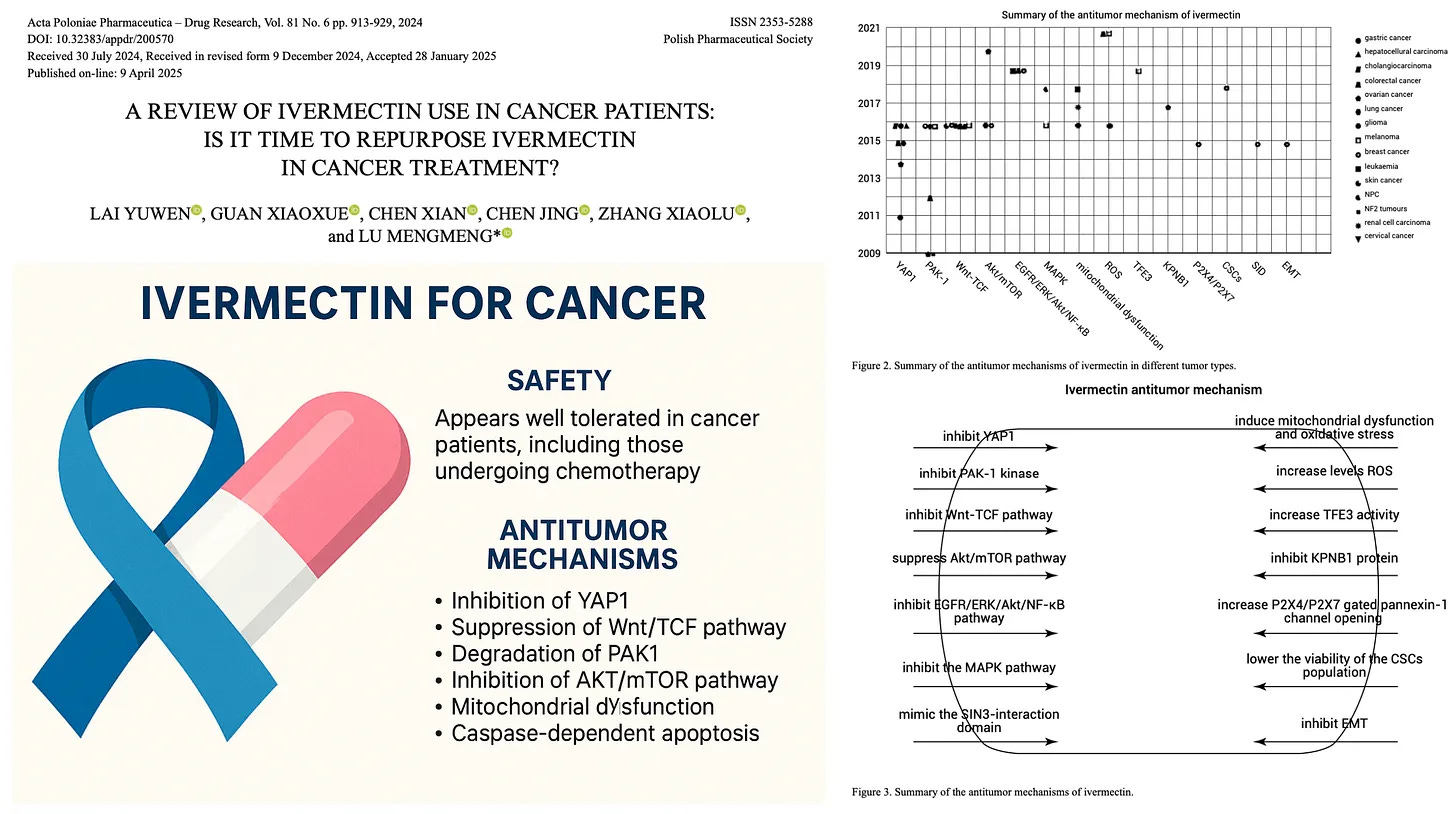
By hitting multiple hallmarks of cancer simultaneously — proliferation, metabolism, invasion, and survival — ivermectin appears to function as a multi-targeted anti-tumor agent. In glioblastoma, these converging effects explain the 70% tumor-volume reduction observed with intranasal nano-ivermectin, achieved at doses below standard antiparasitic levels and without toxicity.
Clinical translation in humans is urgently needed. Encouragingly, this effort may already be underway. On September 24, 2025, Governor Ron DeSantis and First Lady Casey DeSantis announced a $60 million funding opportunity through the Florida Cancer Innovation Fund, prioritizing translational cancer research, short-duration clinical trials, and the repurposing of safe, generic drugs such as ivermectin for cancer treatment.
Epidemiologist and Foundation Administrator, McCullough Foundation
Support our mission: mcculloughfnd.org
Please consider following both the McCullough Foundation and my personal account on X (formerly Twitter) for further content.