


A new collaborative paper from the McCullough Foundation and Neo7Bioscience finds that both COVID-19 “vaccine” spike protein and lab-made SARS-CoV-2 spike protein are potent prion-like drivers of proteostatic collapse, pathological cross-seeding, transcriptional instability, and progressive tissue dysfunction across multiple organ systems.
The paper, titled “Recombinant SARS-CoV-2 Spike Protein and Prion-Like Domains: Persistent Cross-Seeding of Amyloid-β and Tau, Transcriptional Instability, and Tissue Dysfunction,” was authored by John A. Catanzaro, NMD, PhD, Peter A. McCullough, MD, MPH, and Nicolas Hulscher, MPH (myself).
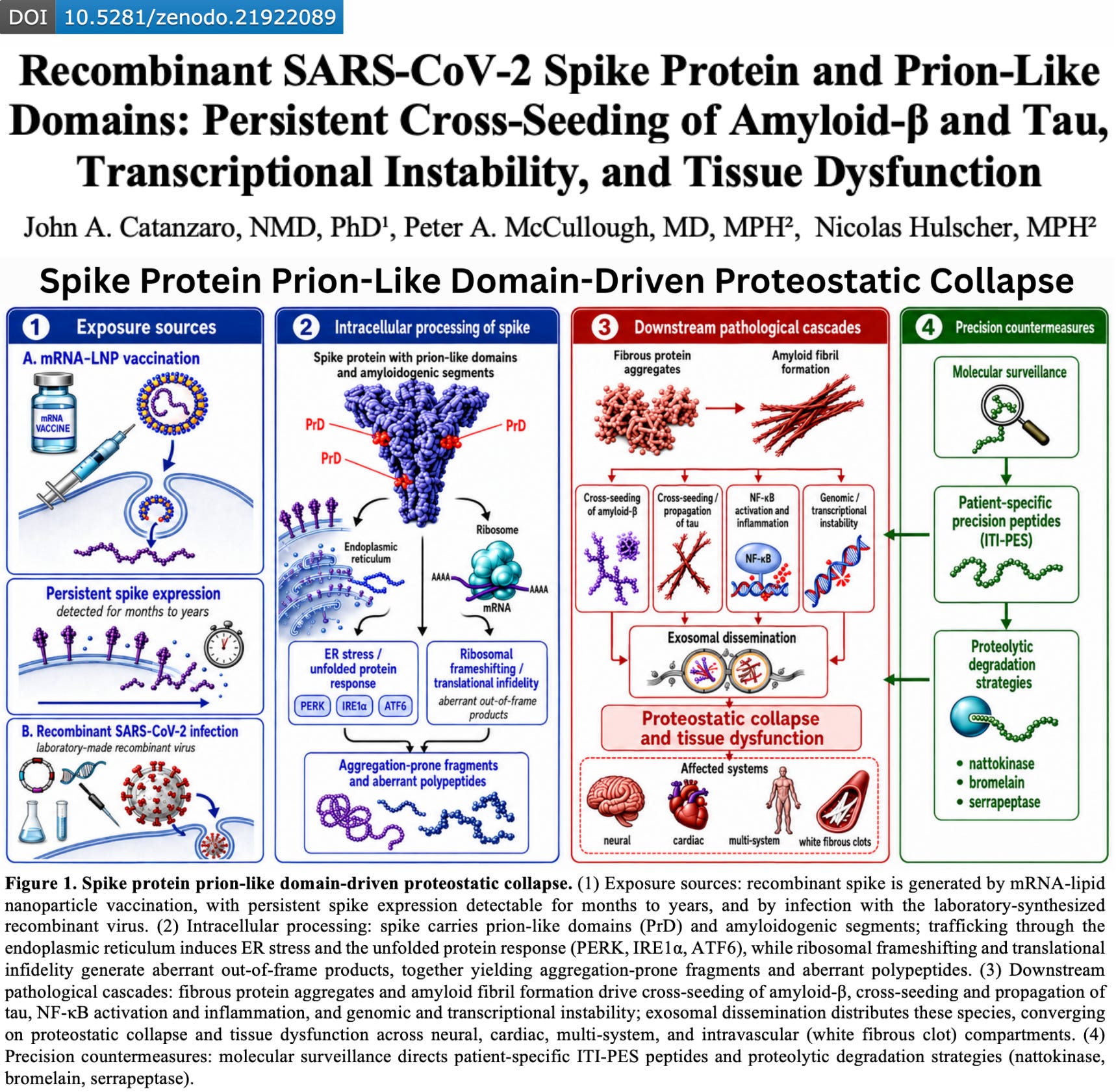
Spike contains intrinsic prion-like domains and amyloidogenic regions that favor β-sheet aggregation and can interact with and cross-seed host proteins including amyloid-β and tau.
We identify two critical intracellular processes that may amplify these effects. As spike moves through the endoplasmic reticulum (ER), it can induce ER stress and activate the unfolded protein response, promoting incomplete folding, fragmentation, and the release of aggregation-prone protein fragments. At the same time, ribosomal frameshifting and translational infidelity can generate abnormal, truncated, and chimeric polypeptides. Together, we propose that these mechanisms markedly increase the production of fibrous, aggregation-prone proteins capable of amplifying downstream protein misfolding.
We also examine how these mechanisms extend beyond the nervous system. Spike-related protein aggregation may contribute to amyloid-β accumulation, tau pathology, neuroinflammation, cardiovascular injury, amyloid microclots, and progressive multi-organ dysfunction. Critically, purified spike protein has been shown experimentally to convert fibrinogen into insoluble, amyloidogenic, fibrinolysis-resistant aggregates, demonstrating that spike alone is sufficient under experimental conditions to drive a circulating host protein into an abnormal amyloidogenic state.
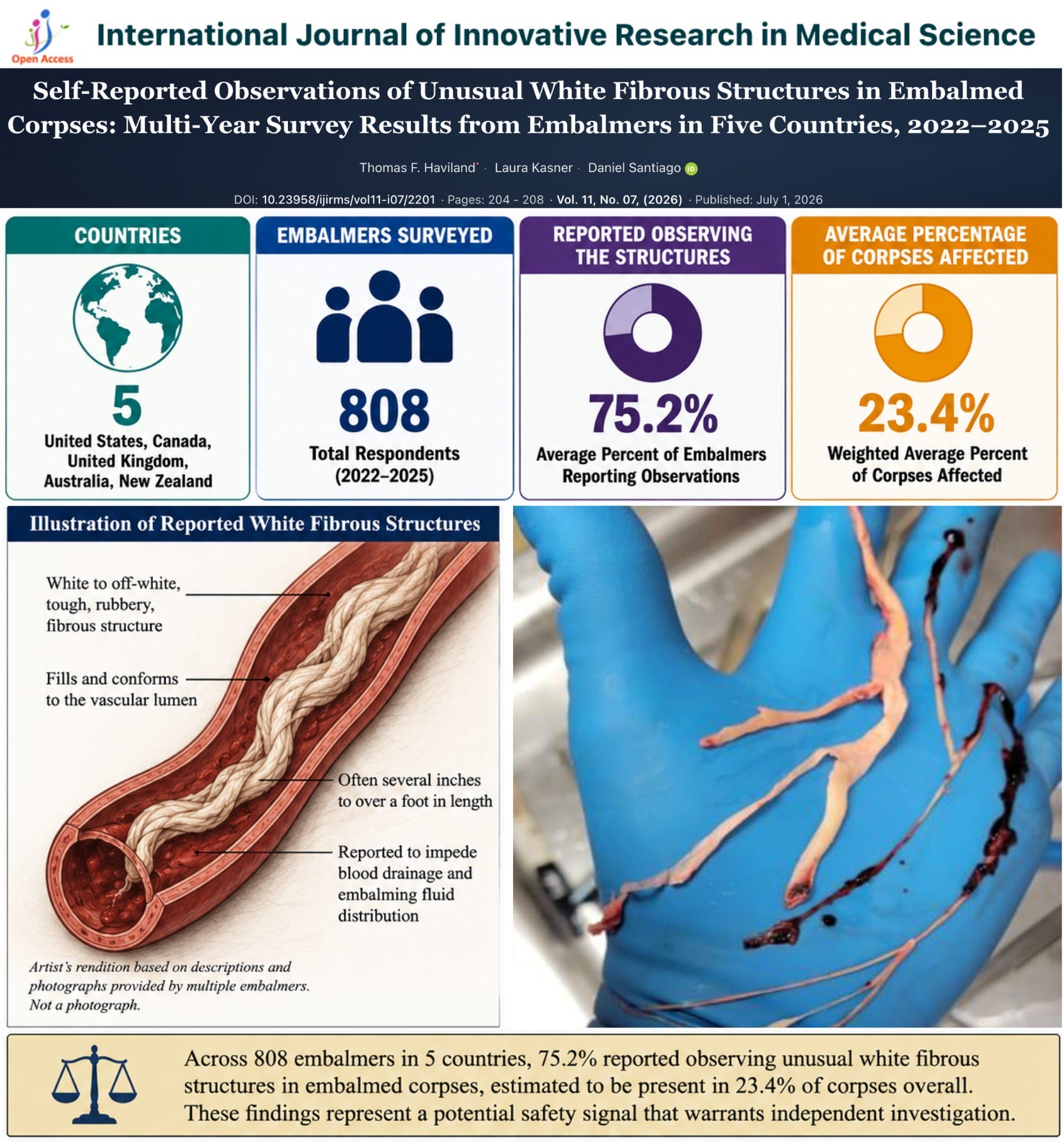
We further examine the increasingly reported large white fibrous intravascular casts recovered during embalming. Surveys involving 808 embalmers across five countries found that 75.2% reported encountering these unusual structures, with an estimated occurrence in 23.4% of embalmed bodies. Raman spectroscopy of representative specimens identified β-sheet enrichment and other protein characteristics distinct from conventional postmortem thrombi.
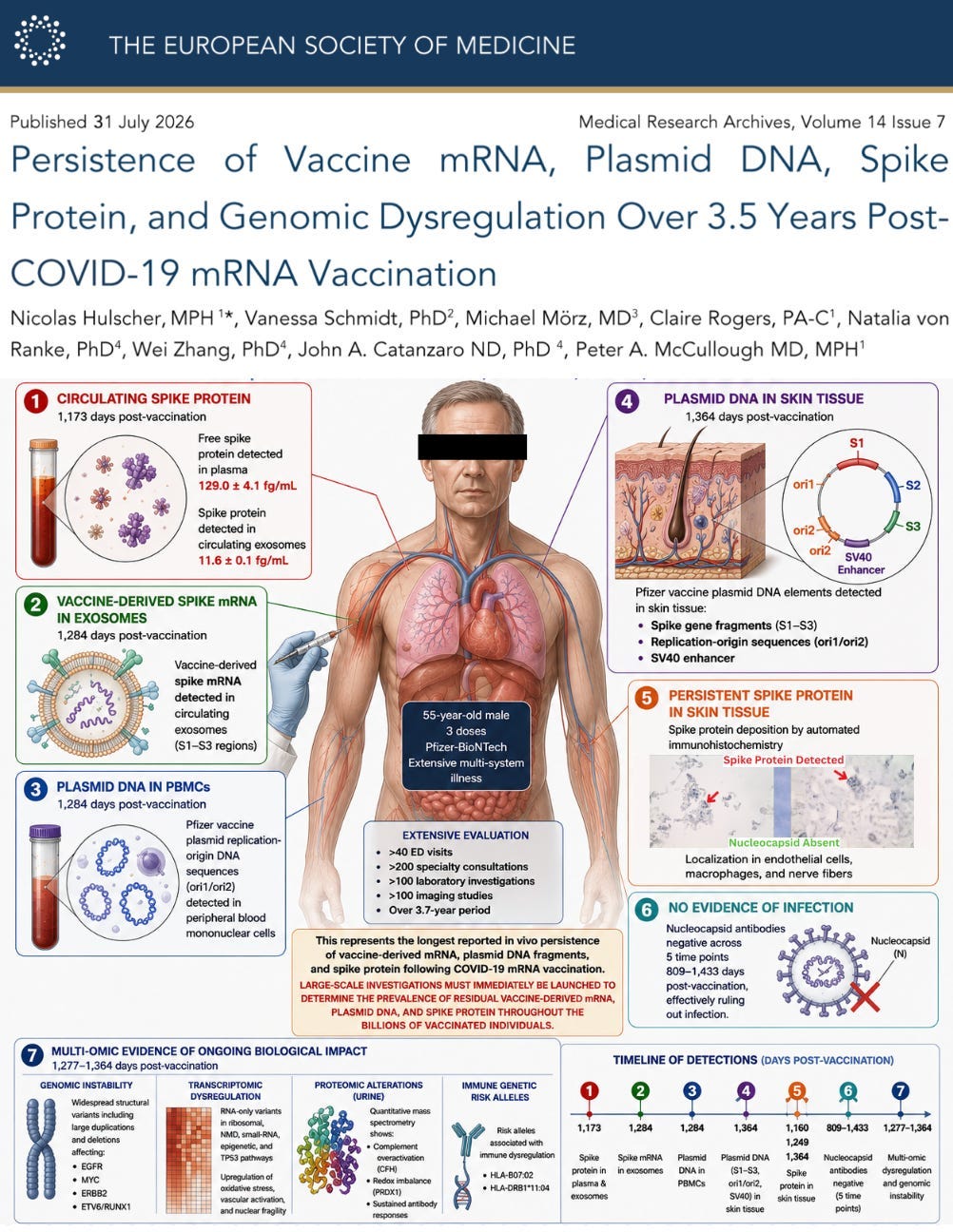
Another major concern we examine is persistence. Spike or spike-related material has been detected years after vaccination. Our prior work documented vaccine-derived spike protein, residual mRNA, and plasmid DNA elements beyond 3.5 years in a documented case. Prolonged persistence may extend the period during which abnormal intracellular processing, aggregation, and cross-seeding can occur.
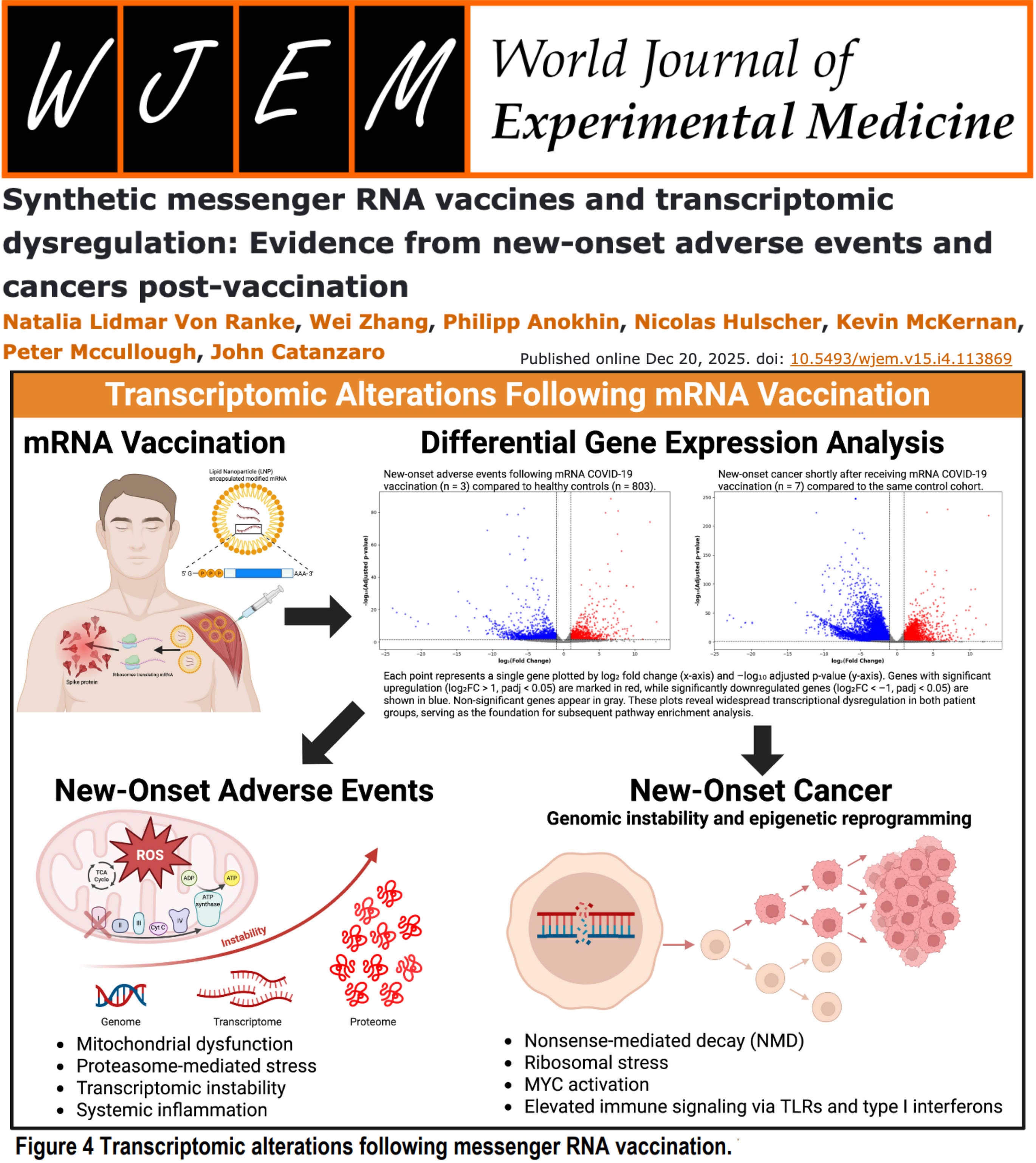
We have also previously documented transcriptomic instability following mRNA vaccination. Multi-omic analyses identified broad disturbances in gene expression involving mitochondrial function, ribosomal activity, cellular stress responses, immune regulation, and oncogenic and tumor-suppressor pathways. In the present paper, we connect these previously observed transcriptional abnormalities with persistent spike, intracellular processing errors, and disrupted proteostasis as part of a broader framework of long-term molecular instability.
We also discuss potential countermeasures aimed at directly degrading persistent spike and restoring molecular stability. Nattokinase has been shown to directly degrade spike protein in the laboratory, including the receptor-binding domain, in a dose-dependent manner. Serrapeptidase and bromelain provide complementary fibrinolytic and anti-inflammatory activity. In parallel, the aHI-PBIMA® platform is designed to identify dominant molecular instabilities and generate patient-specific ITI-PES peptides aimed at restoring downstream molecular order. Together, these approaches offer mechanistically distinct strategies for removing persistent pathogenic spike and addressing the molecular dysfunction it may leave behind. Further clinical validation is needed.
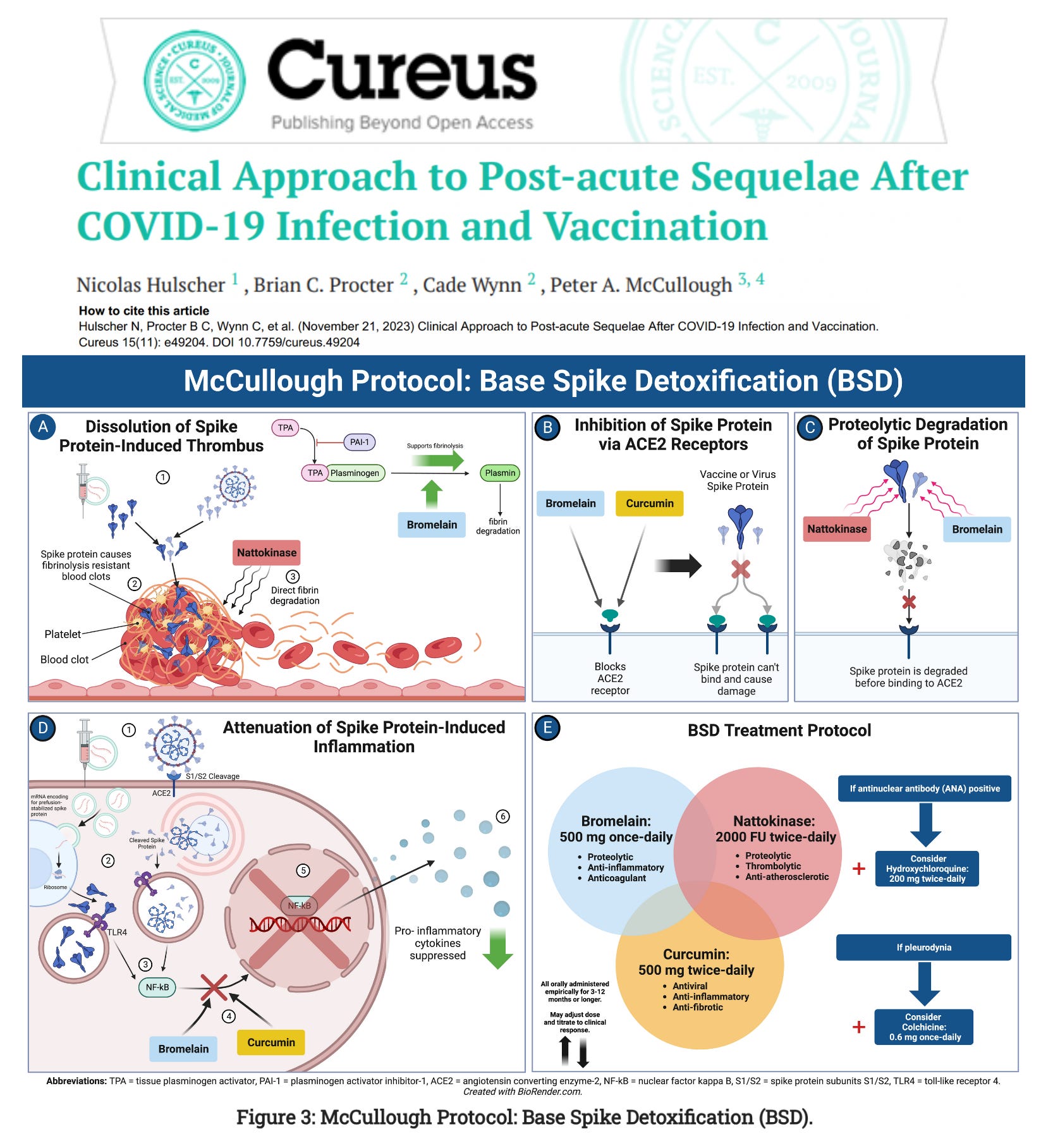
Taken together, our paper presents a mechanistic framework in which persistent spike is not merely an inflammatory antigen, but a prion-like, amyloidogenic protein capable of disrupting cellular protein homeostasis. Through ER stress, translational errors, abnormal protein aggregation, and cross-seeding of host proteins, persistent spike may contribute to progressive pathology involving the brain, cardiovascular system, circulation, and other organs.
Those responsible for unleashing synthetic spike protein on the entire global population must be held accountable.
Epidemiologist and Foundation Administrator, McCullough Foundation
Support our mission: mcculloughfnd.org
Please consider following both the McCullough Foundation and my personal account on X (formerly Twitter) for further content.
Nic, congrats on your new paper highlighting the amyloidogenic nature of the spike protein (from both the Covid virus and the Covid mRNA vaccines). This phenomenon really is wrecking havoc with the human body, especially the vascular system of those affected.
I will be attending the "CHD in DC" conference next month in Washington D.C. to speak with Senators Ron Johnson and Rand Paul. It's time for Senator Johnson to have a hearing on the WHITE FIBROUS CLOTS and MICRO-CLOTTING that we know is affecting a large portion of the population.
I hope to see you, Dr. McCullough, and John Leake at the conference next month so that we can have a nice discussion like we did at the last CHD conference in Austin.
I mean, god damn it! There’s nothing that can make this right.