


The official narrative is that the Utah Office of the Medical Examiner performed an autopsy in the early hours of September 11. The resulting report (a multi-page document admitted as State’s Exhibit 11) was introduced over defense hearsay and confrontation objections under Utah’s preliminary-hearing rules allowing reliable hearsay for medical/autopsy records.
It was not published or broadcast in open court due to the sensitive personal medical content and Utah law restricting public release of such reports. Utah State Bureau of Investigation Agent David Hull testified to its core conclusions: the manner of death was homicide and the immediate cause was a gunshot wound of the neck. Bullet fragments (a deformed/damaged jacket fragment and lead fragments) were recovered from the body and later examined by the ATF.
Publicly discussed details drawn from the report via the hearing record, related court filings/memoranda, and subsequent references describe a complex penetrating wound track consistent with a .30-caliber (matching .30-06) rifle projectile.
The entrance was on the anterior left side of the neck.
The projectile (or its fragments) sequentially perforated the left strap (infrahyoid) muscles, the left common carotid artery, and the left internal and external jugular veins.
It then obliterated the left side of the C2 through C7 vertebrae and transected the cervical spinal cord, with a significant portion of the cord traumatically absent.
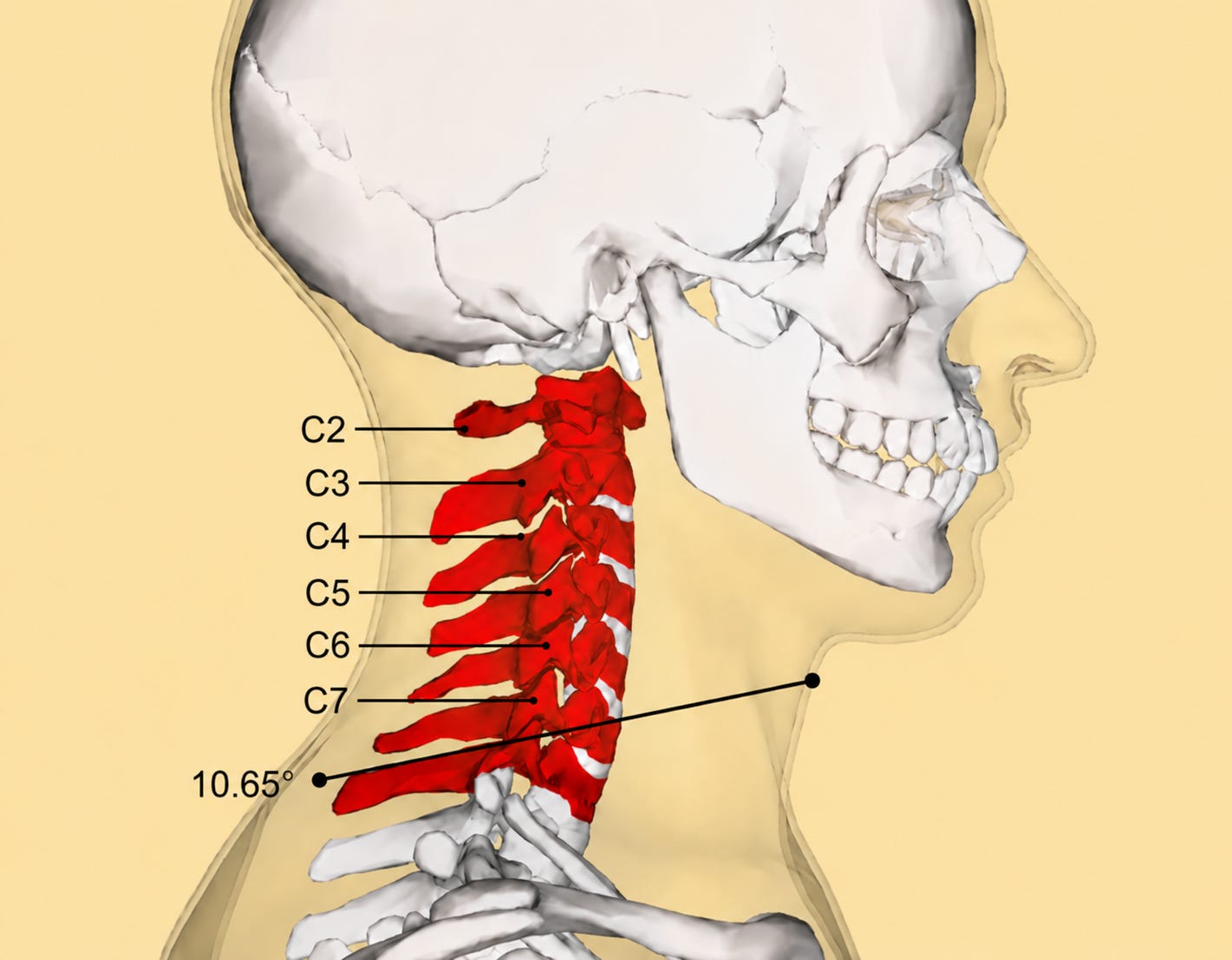
The projectile fragmented within the neck; no clean exit wound was identified, consistent with the recovery of retained fragments and eyewitness accounts from security personnel who checked for an exit during transport.
Associated injuries reflected both the direct path and secondary effects of a high-velocity rifle round (temporary cavitation, tissue disruption, and hemorrhage tracking).
These included multiple disruptions of the thyroid, cricoid, and tracheal cartilages; bilateral apical and posterior intercostal hemorrhages; pulmonary apical hemorrhages/hematomas; hemopericardium (blood in the pericardial sac around the heart); bilateral hemothorax (blood in both pleural cavities); and limited subarachnoid hemorrhage involving the region of the cerebellar vermis and parietal areas of the brain.
Secondary hemorrhage into the chest and around the heart, along with airway cartilage damage, compounded the unsurvivable trauma. The absence of a through-and-through exit is unsurprising with a rifle bullet striking dense vertebral bone, leading to fragmentation and energy dissipation within the tissues.
According to the police and prosecutor, the shot was fired from the roof of the Losee student center, which is about 80 feet above and 426 feet away from Charlie’s position on stage. If this was indeed the case, the bullet struck Charlie in the neck at a downward angle of about 10.65 degrees.
Very tough to say from eyeballing the neck wound on the video footage, but to me, it appears to be well below his mandible (lower jaw).
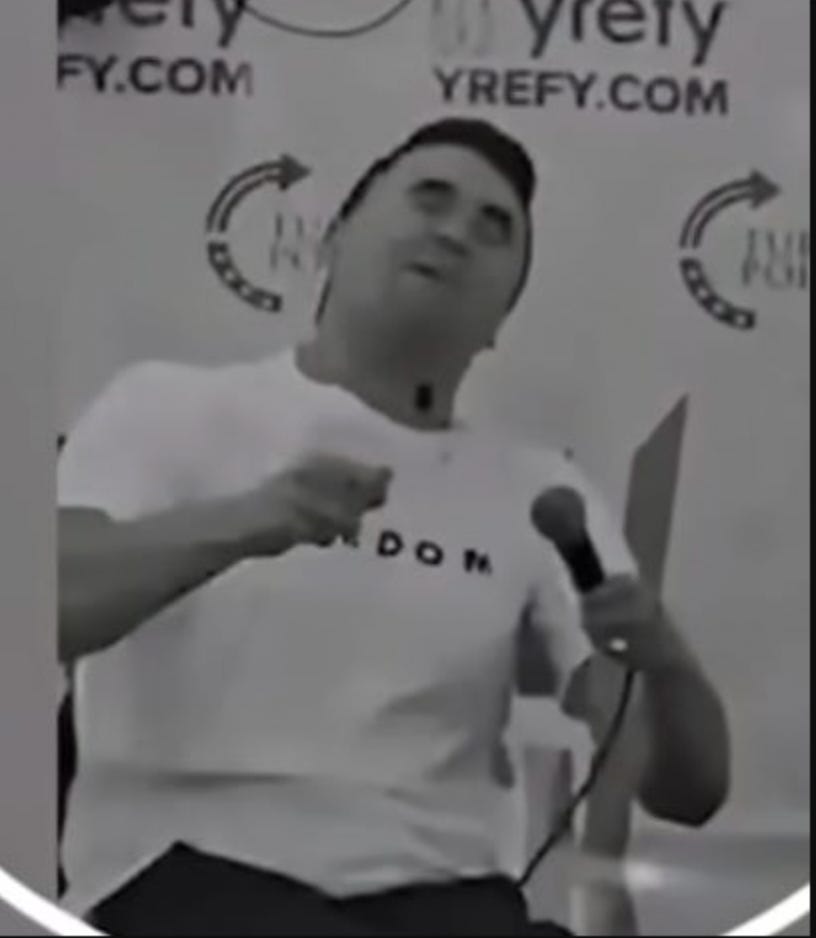
What strikes me as odd about this finding is that the kinetic energy of the alleged .30-06 bullet—around 2,500 foot pounds at 142 yards—was transferred up his cervical spine, obliterating “the left side of the C2 through C7 vertebrae and transected the cervical spinal cord, with a significant portion of the cord traumatically absent, down into his thorax to damage to his heart and lungs, and up into cranium to damage his brain.
I have read several autopsy reports describing gunshot wounds, and all have described a wound track of destroyed tissue from the bullet and shockwave. I have seen descriptions of a complex wound path caused by the bullet deflecting off of bone, changing the path direction by several degrees.
However, it seems very strange to me that in the case of Charlie Kirk, the bullet was stopped by the cervical vertebra it struck, and all its energy was transferred vertically up and down the spine instead of punching through the vertebra.
The density of dense cortical bone is about 1.8 to 2.0 g/cm³, while the density of Lead is much higher at approximately 11.34 g/cm³, making lead roughly 5.5 to 6 times denser than human bone.
I am by no means a rifle nut, but when I was in my teens and twenties, I did a lot of shooting with a .30-06, and I have never seen or heard of a shot to a large animal such as a deer, antelope, or wild pig behaving in this manner.
I am also familiar with military medical literature from World War I and II in which small-arms rifle fire (.30 caliber standard rounds like the US .30-06 or German 7.92×57mm) causing overall fatality rates estimated between 20% and 50%.
A prominent injury that comes to mind was that sustained by the German soldier and writer, Ernst Juenger in 1918. He was shot by a British Enfield .303 in the chest and the bullet passed entirely through his right lung.
To be sure, Juenger struck many as indestructible. Even past the age of 100., he still smoked Dunhill cigarettes and drank a bottle of champagne with most dinners. He credited his longevity to taking cold baths every day—that is, water out of the cold tap even during the dead of winter. A friend with a family connection invited me to join him in visiting the ancient soldier, writer, and entomologist in 1997, but we weren’t swift enough to get on with it, and Juenger died on February 17, 1998.
I wonder how many injuries like Kirk’s—i.e., a .30 caliber gunshot to neck that did not exit, but transferred all energy up and down the spine—were documented by army medics in any of the warring powers.
I wonder if anyone knows of a documented case in the forensic literature of a .30 caliber gunshot wound to a human neck that produced the same or similar injury pattern?
Nothing says scam like: hurry up and destroy all the evidence. They were literally wiping the scene within a fraction of a second after the shot, obviously knowing that the scene was safe and subsequent shots weren’t a concern. Charlie’s own people were in on it.
My father was the US Army's small arms ballistic expert back in the 1960s and 1970s. He taught me a lot and knew much more about his subject than I will ever know. However, in this case, I am certain that he would have contested the findings, and when asked why a 30.06 rifle shot from a downward trajectory of 250+yards wouldn't have resulted in the reported findings, he would have said, "Because, so far, the laws of physics haven't been repealed." One of his favorite sayings, and so very applicable here.