


How does one justify laying explosive charges all over a town in southern Lebanon and detonating them at once, thereby destroying what appears to be the entire village?
Naqoura was a coastal village on the border with Israel that was the seat of the headquarters for the United Nations Interim Force in Lebanon (UNIFIL). It was known for its picturesque coastline, citrus groves, and high quality agriculture.
A video is now circulating of the town being blown up by explosive charges detonating at once.
Israeli frames the demolition as necessary to neutralize Hezbollah infrastructure—that is, rocket launch sites, tunnels, and military positions embedded in or near civilian areas.
Critics, including Lebanese officials, human rights organizations (Amnesty International, Human Rights Watch) argue that the scale of destruction—often post-ceasefire or targeting civilian homes—went beyond military necessity and was therefore a form of collective punishment.
The town’s homes, businesses, and infrastructure have been so devastated that returning residents are finding it largely unrecognizable, with piles of rubble where neighborhoods once stood.
What are we in the United States to believe about the deliberate, explosive demolition of an entire village?
Throughout history, it has been extremely difficult for ordinary citizens to evaluate what their governments tell them about this kind of organized, violent action against a civilian settlement.
Administrators of military occupied regions have long claimed that aggressive action against civilian settlements and even densely populated cities was necessary to eliminate armed “bandits” and “illegal combatants” hiding in residential areas.
Citizens back home, digesting radio and newspaper reports, can either believe the government’s representations or question them. In order to do this, they must first decide how much (or how little) they trust their government and media to tell the truth about such matters of violent controversy.
For example, on February 7, 1968, an American army major told journalist Peter Arnett that it was "necessary to destroy the city [of Bến Tre, in the Mekong Delta] to save it," after US forces destroyed 85% of the city to rout Viet Cong forces from the town.
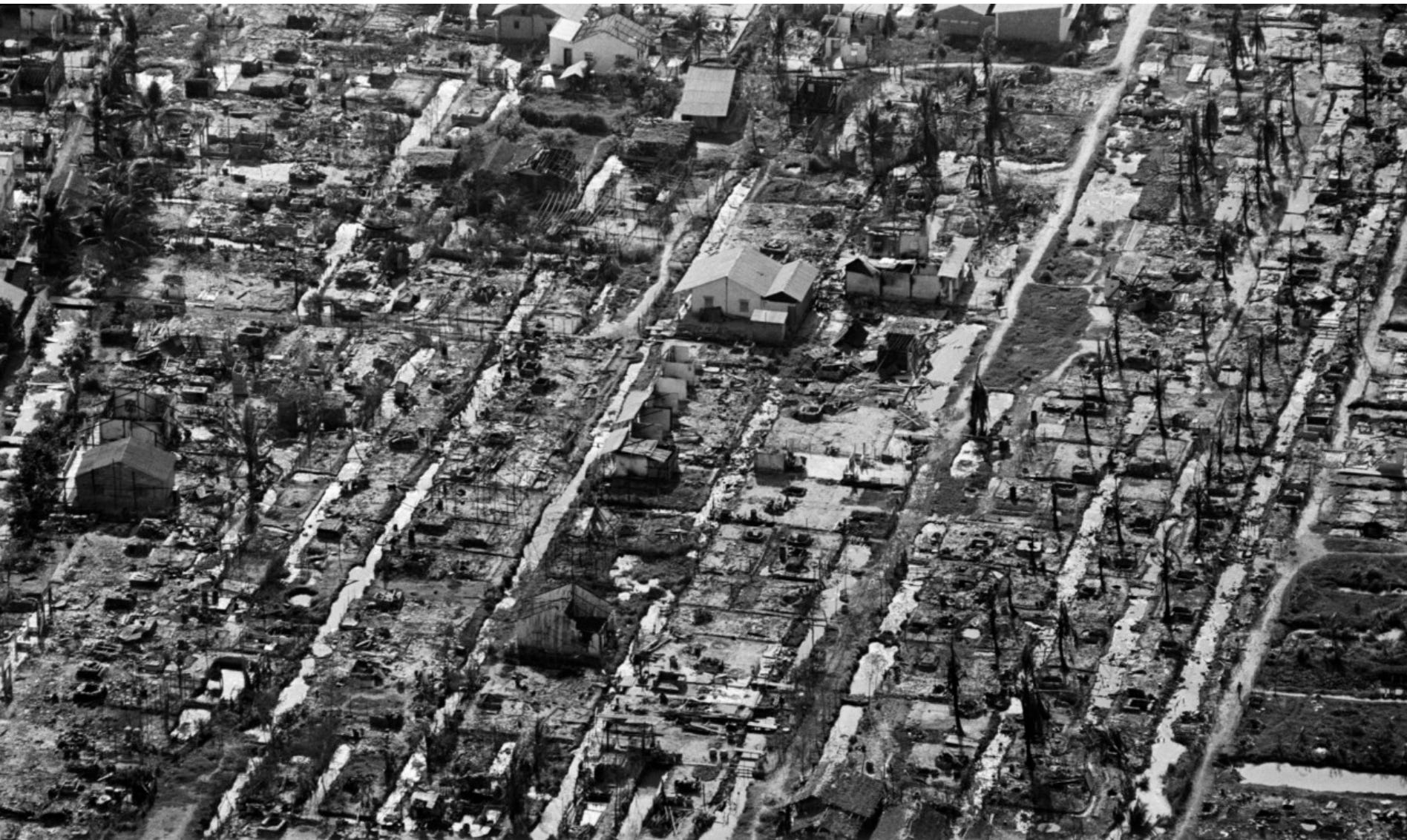
What do you think about the detonation of Naquora? Do you believe it was necessary to destroy the village?
Tucker Carlson: “Netanyahu launches terror attack on Beirut, destroying Trump’s ceasefire. We need to detach from Israel immediately.” https://x.com/tuckercarlson/status/2042050749677375532?s=61&t=BcRbQIg4-yLIWDE4ASw6UQ
The current atrocities we are witnessing compounded by the recent tragedy in Gaza are clarifying among our readers who is who. As doctors, scientists, and historians, we are bringing you analysis and the spirit of compassion which is clashing with hard core, blood-thirsty barbarism. We are not among the victims, but is clear who they are. The Nakba, meaning "catastrophe" in Arabic, refers to the 1948 violent displacement of over 750,000 Palestinians during the creation of Israel, transforming them into refugees. Commemorated annually on May 15, this event resulted in the destruction of over 500 villages, widespread looting, and loss of life. The Nakba is central to Palestinian identity and considered an ongoing process of displacement.