


A new metagenomic study led by Dr. Sabine Hazan analyzed stool samples from 60 adults, including 25 patients with aggressive cancer, 15 with non-aggressive cancer, and 20 controls without cancer.
The cancer cases included breast, lymphoma, colon, ovarian, lung, bladder, thyroid, prostate, and several other malignancies. Dr. Hazan’s team used next-generation sequencing to compare the relative abundance of key bacterial genera across the three groups.
The most dramatic finding involved Bifidobacterium, a beneficial group of bacteria associated with immune regulation, intestinal-barrier integrity, and antitumor immune activity.
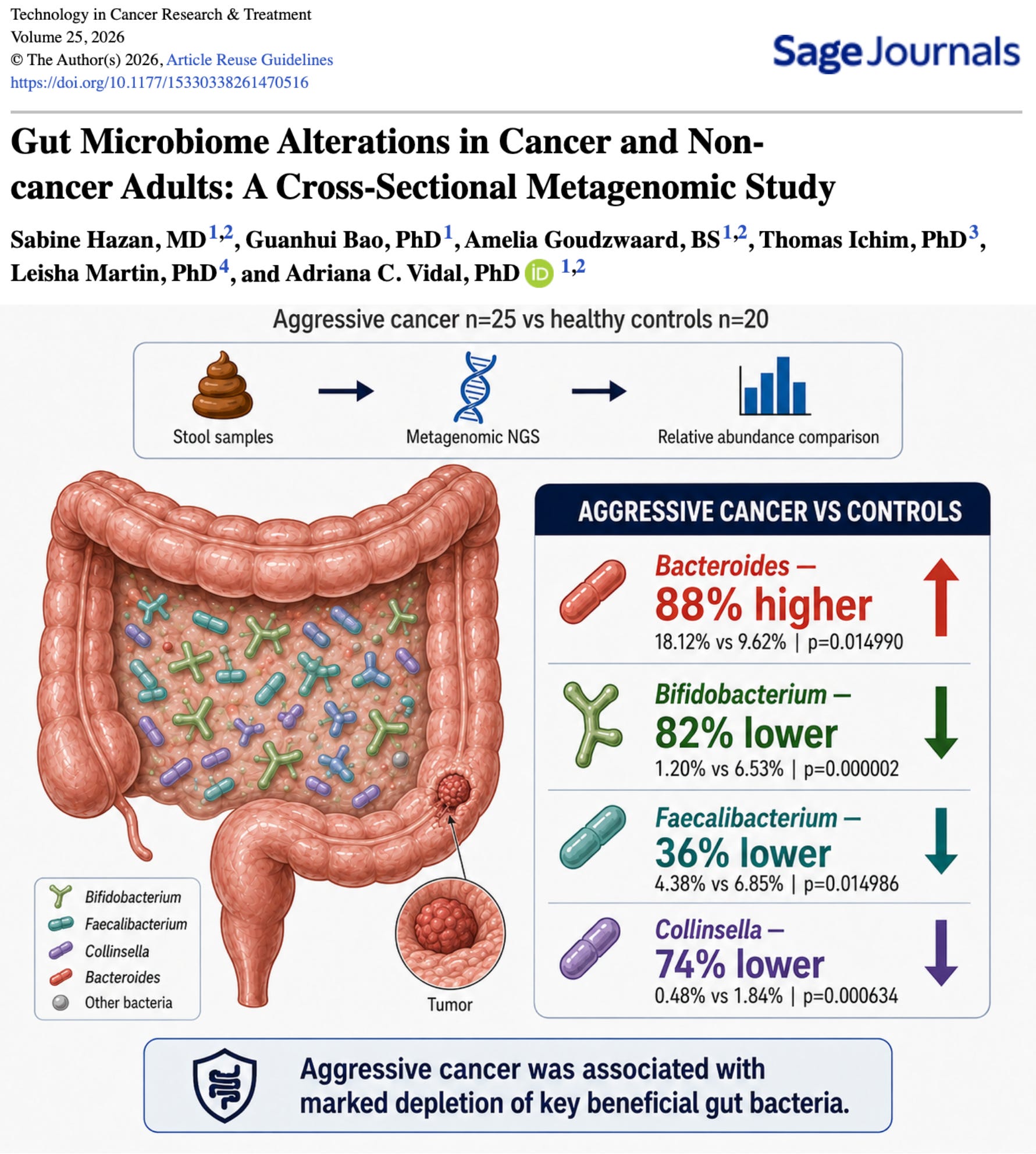
Aggressive cancer patients had an average Bifidobacterium abundance of just 1.20%, compared with 6.53% in controls (82% less).
They also had 76% less Collinsella, 36% less Faecalibacterium, and 88% more Bacteroides, with all four differences reaching statistical significance.
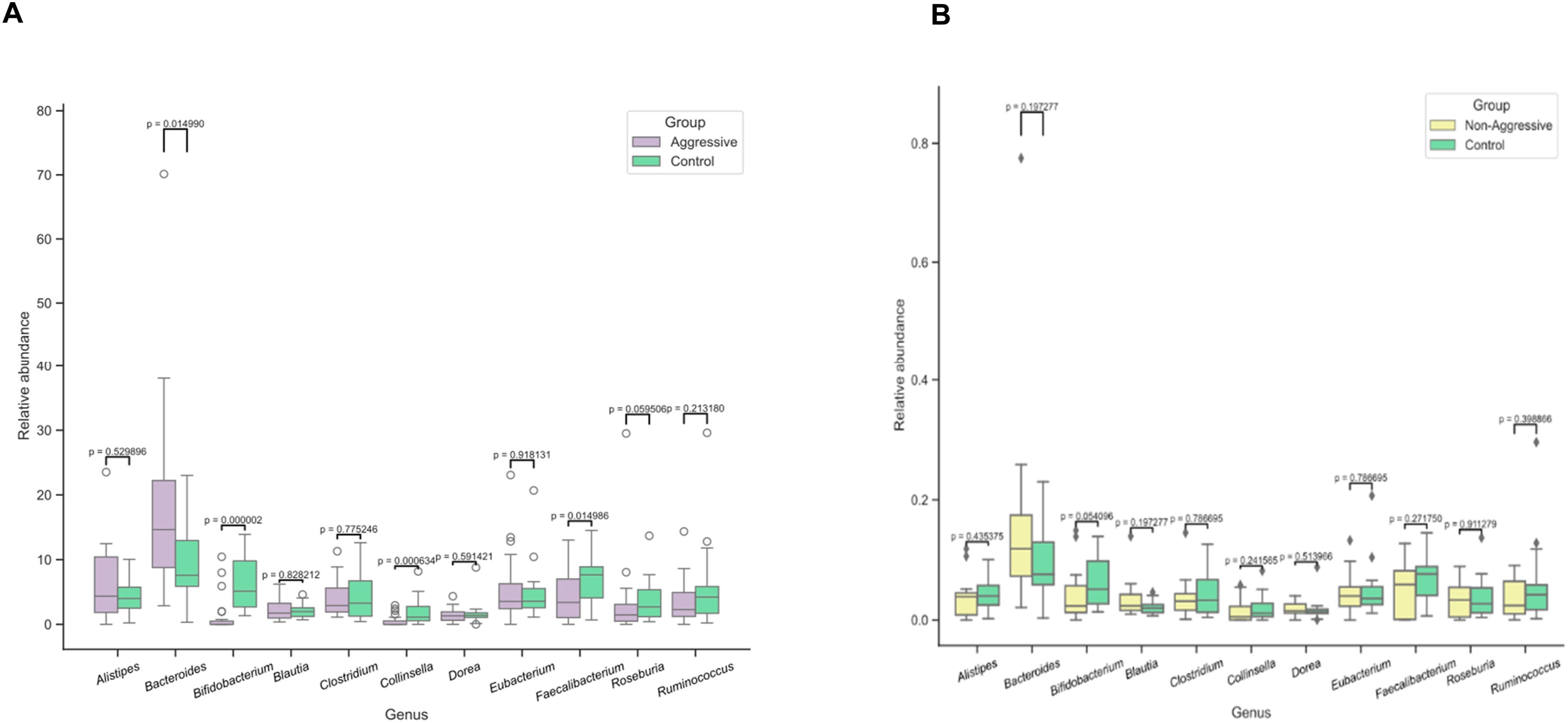
This pattern is notable because Bifidobacterium, Faecalibacterium, and Collinsella have been associated with healthier immune function and better responses to certain cancer therapies. Some Bacteroides strains, by contrast, have been linked to tumor-promoting activity.
The differences were less pronounced in patients with non-aggressive cancer. Their Bifidobacterium levels were also lower than those of controls, but the result narrowly missed conventional statistical significance.
The findings suggest that more aggressive cancer may be associated with a more severely disrupted gut microbiome. The magnitude of the differences—especially the 82% lower Bifidobacterium abundance—supports larger prospective studies to determine whether these microbial patterns could eventually help identify aggressive cancer or become targets for microbiome-based cancer interventions.
Epidemiologist and Foundation Administrator, McCullough Foundation
Support our mission: mcculloughfnd.org
Please consider following both the McCullough Foundation and my personal account on X (formerly Twitter) for further content.
I have been hearing similar for a couple of years now. Is it chicken or egg? Does the low bacteria level depresse the immune system and encourage cancer? Or does the cancer somehow destroy the good bacteria? What can we as regular people do to increase the burden of good bacteria? I keep reading about fermented foods and I try to eat some regularly. But my husband who has been battling aggressive cancer for the past year and a half absolutely refuses to eat any of the good fermented foods. It's a conundrum but he's actually in remission now using both conventional toxic treatments and Ivermectin and mebendazole. I certainly hope this matter gets looked into much deeper. I know the early people who talked about this were scoffed at
The study does not say, if the cancer patients were being treated with chemo. That, alone, would decimate intestinal bacteria.
When are they going to admit cancer is a serious metabolic dis regulation?