


Scientists at the University of Minnesota have engineered the building blocks of artificial life from nonliving materials in a disturbing, first-of-its-kind experiment. They call them SpudCells.
For the first time, scientists have created artificial cells that can grow, reproduce, and pass advantageous genetic traits to future generations, allowing some cells to outcompete others.
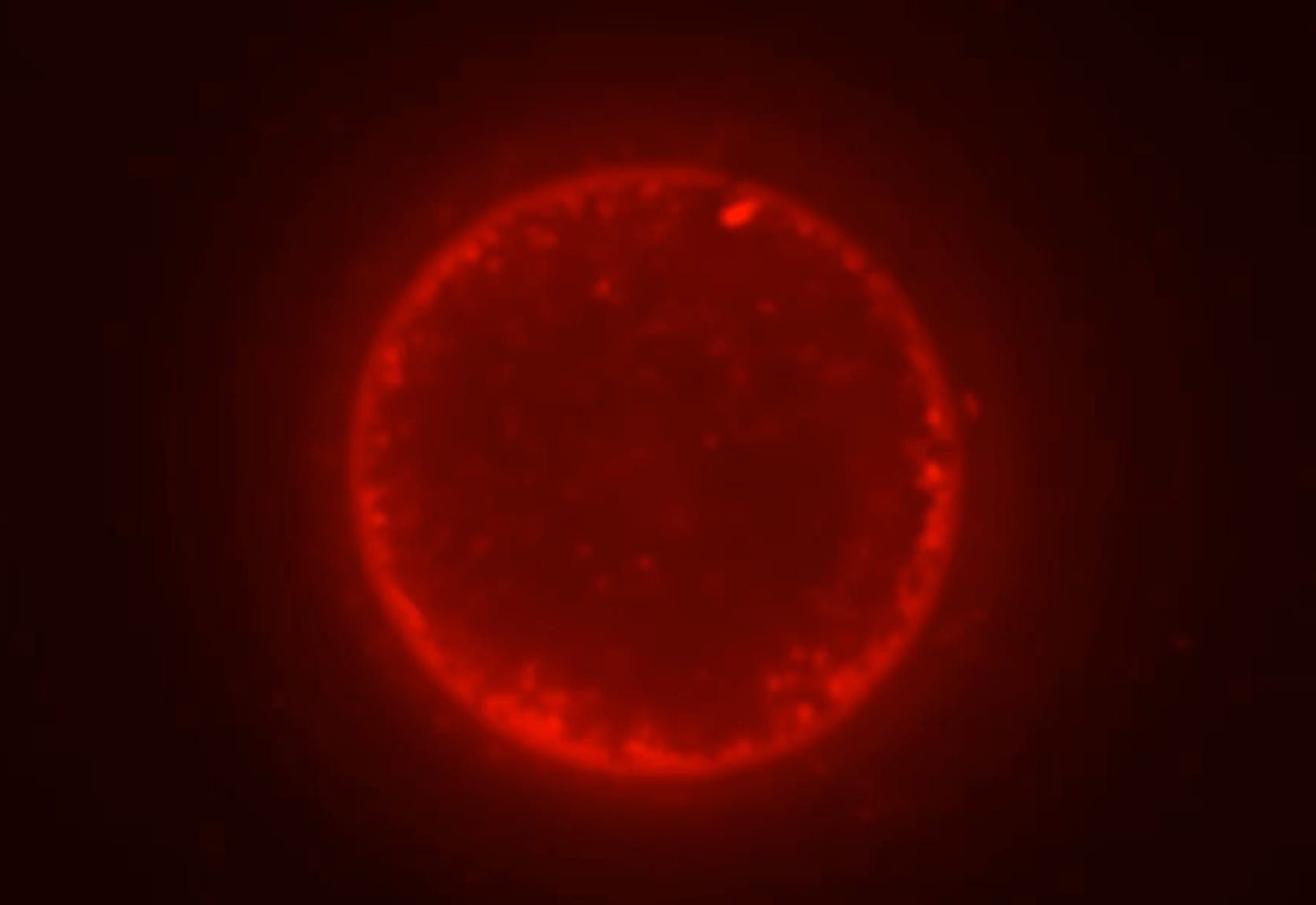
They assembled these synthetic cells from fatty membranes, engineered DNA, ribosomes, and protein-producing enzymes. The cells contain a 90,000-base-pair DNA genome that helps them manufacture proteins, copy their genetic material, and grow by absorbing smaller, nutrient-filled bubbles.
These artificial cells can divide into daughter cells and pass their genetic material to their offspring. Researchers demonstrated five generations of DNA replication, feeding, growth, and mechanically assisted division.
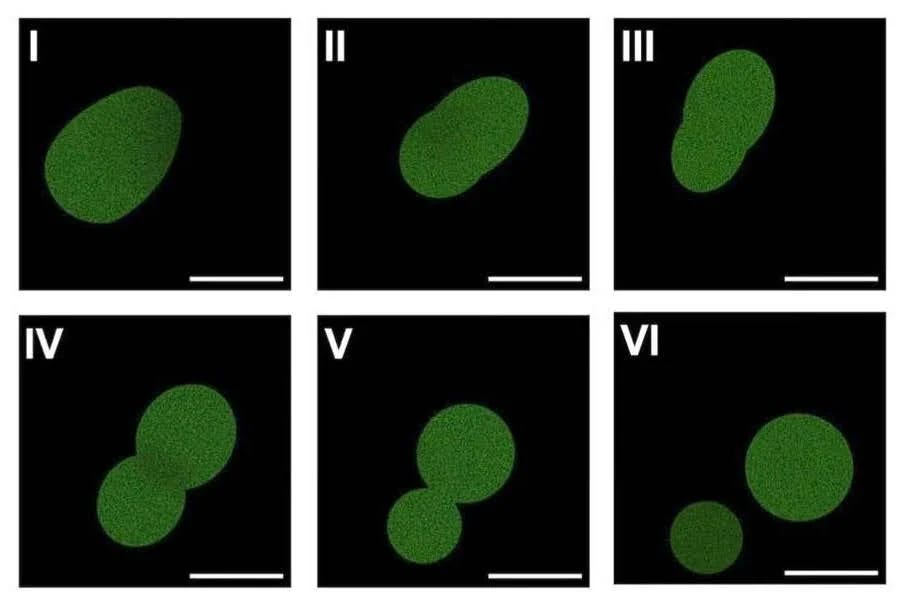
The cells compete for limited resources. Those carrying an advantageous genetic variant grow faster and produce more offspring, allowing that variant to become increasingly common. In just five generations, the advantageous variant increased from 10% to 38% of the population.
Although these artificial cells still require specialized laboratory conditions to reproduce, this experiment represents a major step toward creating autonomous synthetic organisms.
Just because scientists can push the boundaries of life itself does not mean they should. Playing God comes with major consequences, and we are entering dangerous territory.
Epidemiologist and Foundation Administrator, McCullough Foundation
Support our mission: mcculloughfnd.org
Please consider following both the McCullough Foundation and my personal account on X (formerly Twitter) for further content.
I think this is a scientific domain best left untouched.
Hubristic science's most important lesson - which it never seems to learn - is just that: the fact that you can does not mean that you should. And, sadly, when they do, they seldom are burdened with the consequences of monstrous decisions.