


With Ukraine continually striking Russian refineries, I figured it was just a matter of time before Russia responded with hypersonic missiles. Last night, several targets in Kiev were hit and not a single Russian missile was intercepted.
This news comes along with reports that the US is running out of interceptor missiles as President Trump continues to flounder around in his moronic war with Iran.
History is full of emperors, kings, and presidents who chose to throw away peace and prosperity with the roll of military dice. The following are just a few of the cases that came to mind over morning coffee.
Alexander the Great (reigned 336–323 BC) conquered the Persian Empire with extraordinary speed and tactical brilliance, but continued eastward into India and Central Asia long after the core objective was secured. Supply lines stretched across thousands of miles; his army mutinied at the Hyphasis River; and his death left an ungovernable empire that fragmented almost immediately among the Diadochi. The pursuit of universal dominion outran administrative capacity and the loyalty of exhausted troops.
Trajan (reigned 98–117 AD) pushed Rome’s frontiers to their greatest extent by conquering Dacia and briefly occupying Mesopotamia. The eastern campaigns yielded prestige and treasure but created indefensible salients. Within years of his death, Hadrian abandoned most of the Mesopotamian gains, recognizing that the empire lacked the manpower and resources to hold them against Parthian recovery and internal strain.
Charles V (Holy Roman Emperor 1519–1556) inherited vast Habsburg territories and fought almost continuously against France, the Ottomans, German Protestants, and rebellious subjects. The sheer geographic dispersion of his domains—Spain, the Netherlands, Italy, Austria, and the Americas—made simultaneous defense impossible. Constant warfare bankrupted the Spanish treasury and left his successor, Philip II, with an overextended and debt-ridden inheritance.
Lord George Germain, British Secretary of State for the American Department during the Revolutionary War, directed strategy from London with insufficient grasp of colonial geography, logistics, and political realities. Orders for the 1777 Saratoga campaign were poorly coordinated; Burgoyne’s advance from Canada was left unsupported. The resulting British defeat encouraged French intervention and turned a manageable colonial revolt into a global war Britain ultimately lost.
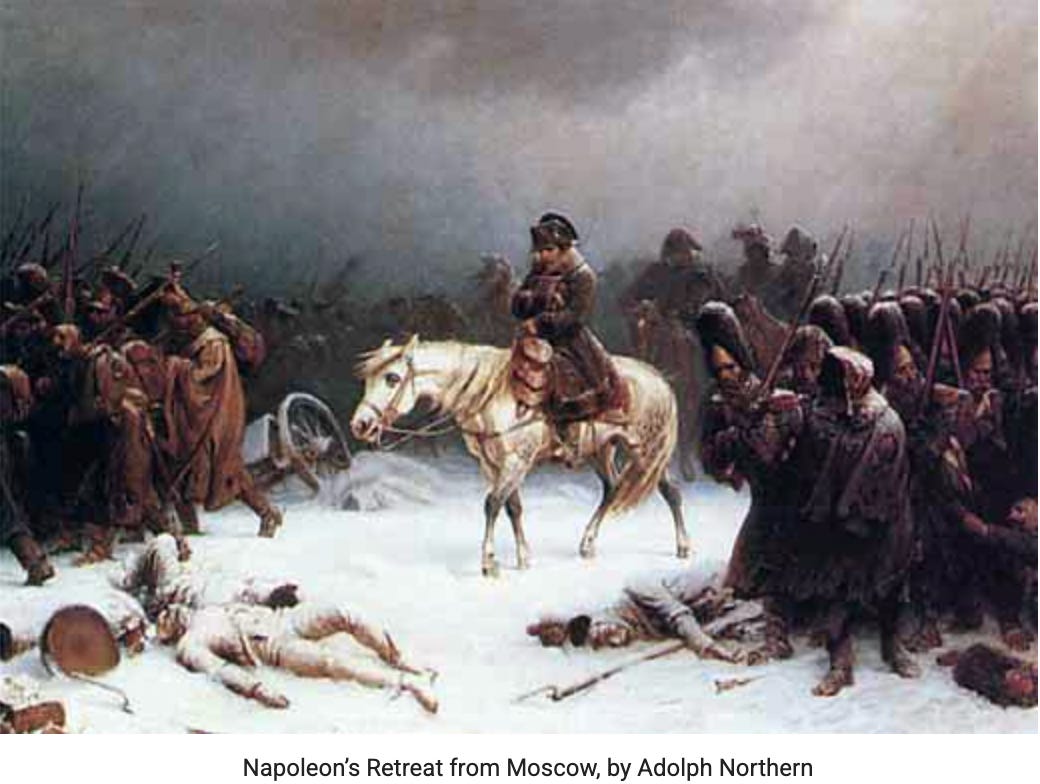
Napoleon (Emperor 1804–1814/15) repeatedly overreached after early victories. The 1812 invasion of Russia ignored distance, climate, and Russian scorched-earth tactics; the Grande Armée disintegrated. Subsequent campaigns in Germany and the Hundred Days further depleted French manpower and invited the Sixth Coalition to finish him. Ambition for continental hegemony exceeded France’s demographic and industrial base.
Leopold Berchtold, Austro-Hungarian foreign minister in 1914, responded to the assassination of Archduke Franz Ferdinand by issuing an intentionally unacceptable ultimatum to Serbia and securing German backing for war. The gamble assumed a short, localized conflict that would restore Habsburg prestige. Instead it triggered the alliance system, producing a multi-front war that destroyed the Dual Monarchy.
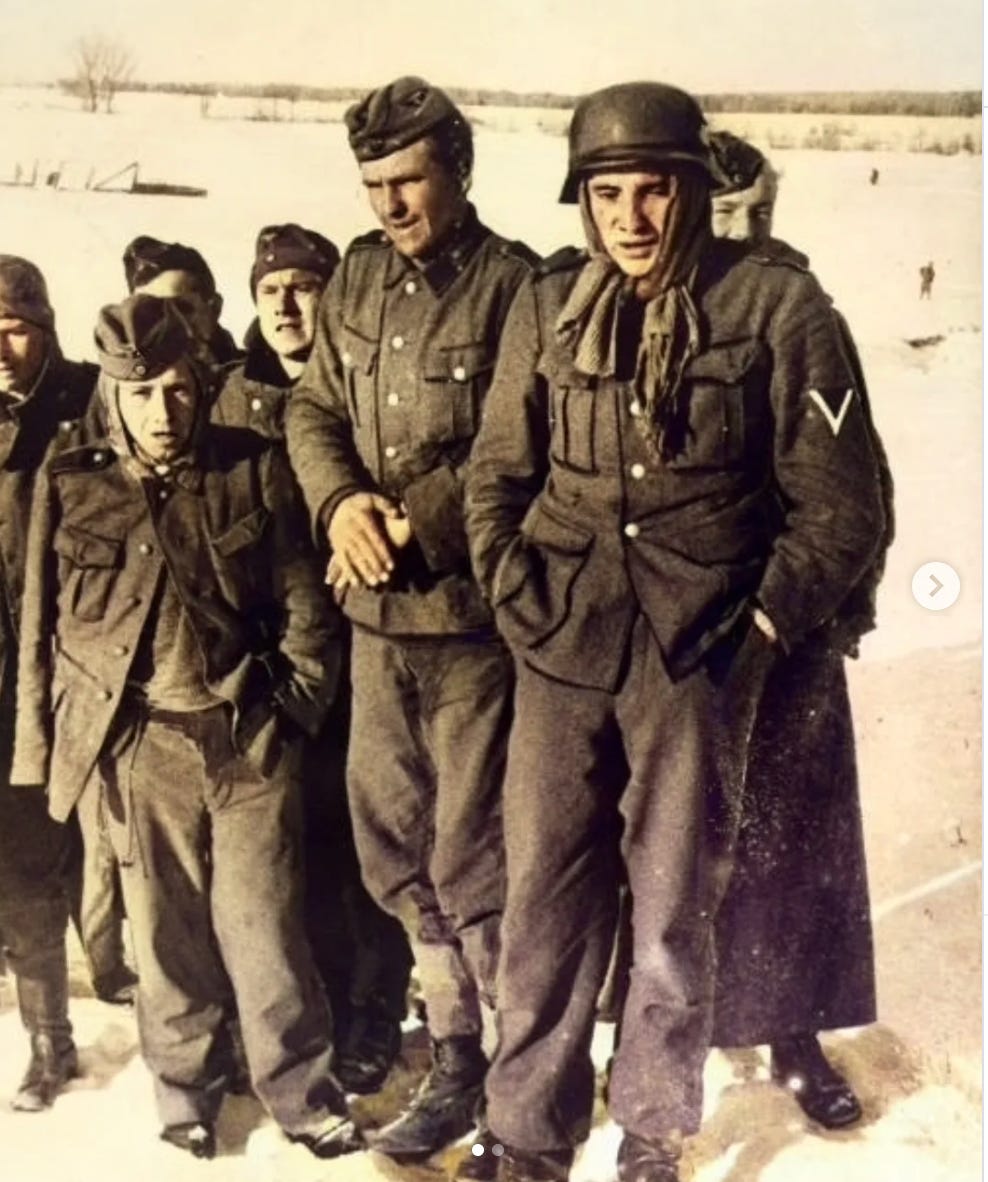
Adolf Hitler (German Chancellor 1933-1945) decision to invade the Soviet Union in 1941 (Operation Barbarossa), while still fighting Britain and later declaring war on the United States, constitutes the classic modern case of strategic overreach. Ideological goals of Lebensraum and racial conquest ignored logistical realities, winter conditions, and the vast depth of Soviet territory. The resulting two-front war, combined with the earlier failure to neutralize Britain, doomed the Third Reich.
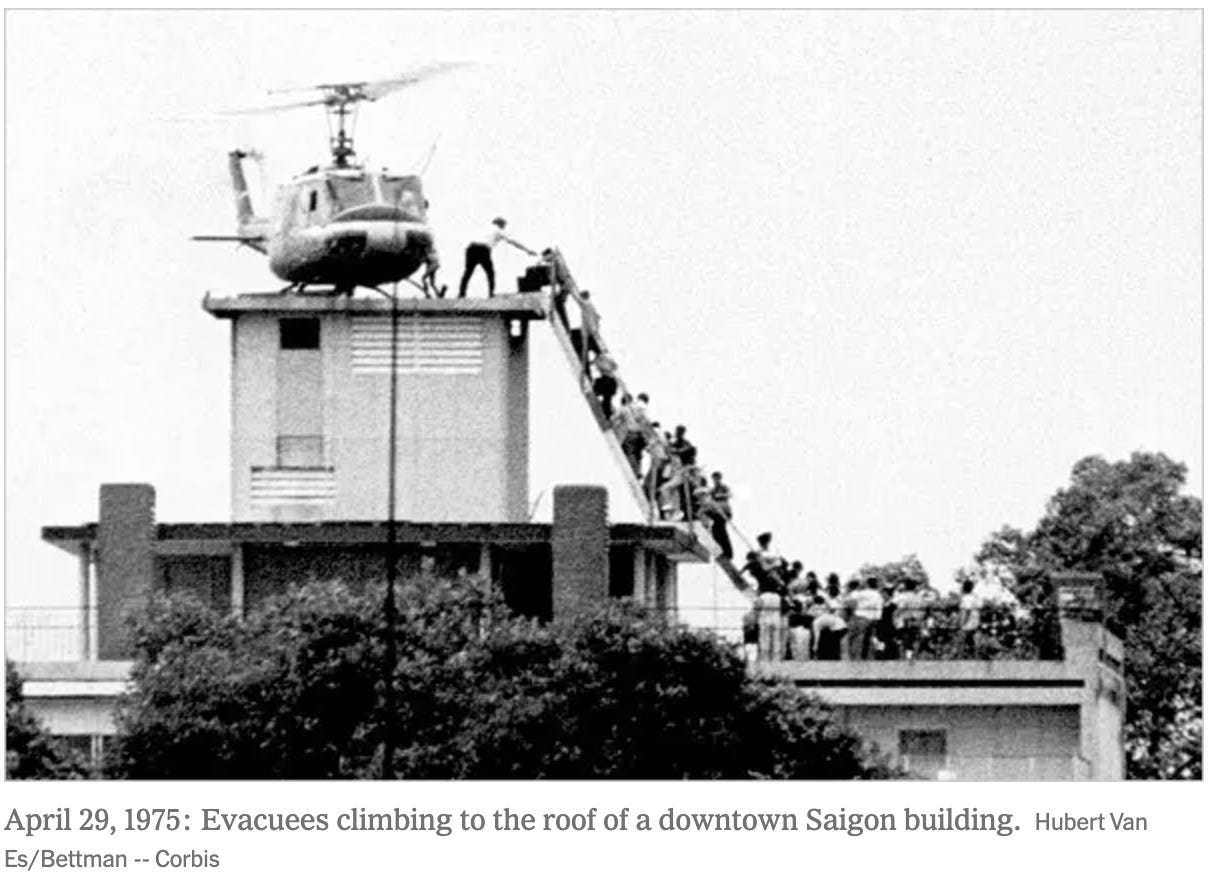
Lyndon B. Johnson (US President 1963-1969) escalated US involvement in Vietnam after Gulf of Tonkin incidents of 1964,, thereby rising U.S. troop levels from 23,000 in 1964 to more than 500,000 by 1968. American forces conducted large-scale search-and-destroy operations, intensive aerial bombing of the North (Operation Rolling Thunder), and efforts to interdict the Ho Chi Minh Trail. The goal was attrition—to inflict such heavy losses on the North Vietnamese Army and Viet Cong that Hanoi would abandon its campaign to reunify the country under communist rule. The US did not prevail and hastily abandoned Vietnam in 1975.
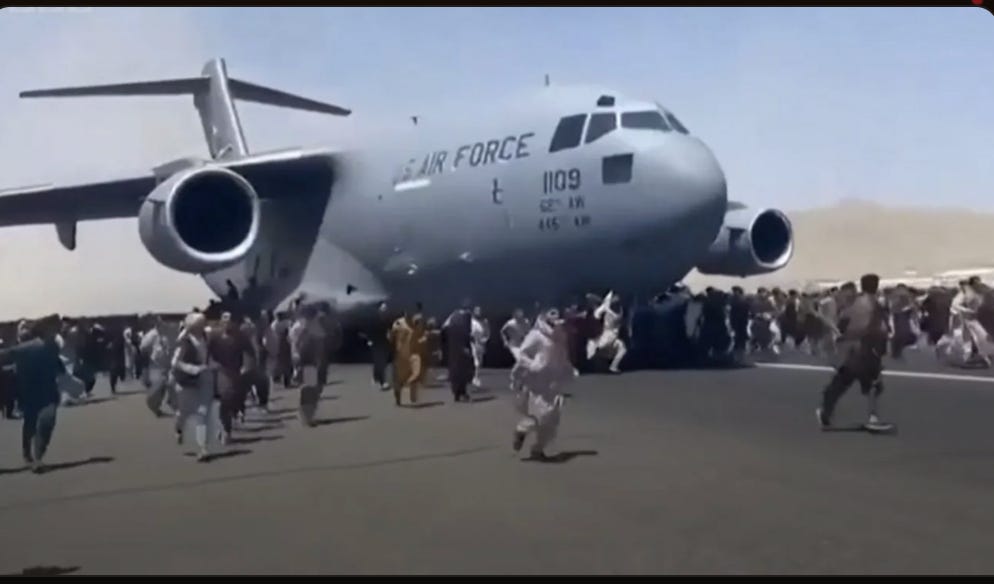
George W. Bush (US President 2001-2009) decision to invade Iraq in 2003, after the relatively successful Afghanistan campaign, rested on flawed intelligence about weapons of mass destruction and optimistic assumptions about post-invasion stability. The occupation stretched American forces, generated a prolonged insurgency, empowered regional rivals, and consumed resources that might otherwise have focused on the original Afghan theater or homeland security. The long-term strategic costs far exceeded the initial military success.
Donald Trump (US President, 2017-2021 and 2025 to today) attacked Iran on February 28, 2026 and is now in the 6th month of what was initially proclaimed to be a 4-week war to get rid of “a nuclear program” that was “obliterated” in 2025.
In each case the pattern is similar: the conviction of military dominance encouraged expansion beyond the point where political will, logistics, alliances, or domestic resources could sustain the effort. Overreach squandered advantage and resulted in significant costs and lasting liability.
It’s an astonishing thing that so many leaders in history have ignored the disasters of overreach in the past. At an event at the German Bundestag this summer, I fell into a conversation with a military historian about Germany’s current collision course with Russia. I asked him if the current German government is aware of the disasters of Napoleon’s invasion of Russia in 1812 and Hitler’s invasion of Russia in 1941.
“Acutely,” he replied, “just at the German general staff was acutely aware of Napoleon’s disastrous 1812 invasion.”
Why do the vainglorious men who ascend to political power persistently believe that they needn’t heed the lessons of history and geography? Why do they embrace the irrational belief that “this time it’s different?”
As someone who is very mindful of what history teaches us — especially the primary lesson that coercive power is inherently limited —I find this recurring pattern perplexing in the extreme.
Please let me know what you think in the comments.
It's because the banksters push for war. They profit by loaning money to the combatants. It's been true ever since fractional reserve banking was invented.
I'm guessing one factor is the tendency of those who seek and attain high levels of government power to be megalomaniacs blinded by their own lust for power and control. Another factor is special interest lobbying.